The Page as an Instrument of Thought
At the gate of every book sits a sphinx with a single question: what can a page do that a sentence cannot? I have spent four books trying to answer her, and she has not yet let me pass.
Diana-Rada, book designer.The claim
I create books, and I hold firm opinions about where you should sit while reading them. The craft I practice is based on a modest conviction: that thinking happens in the hands, and that a grid, a margin, or the trace of a letter can carry a piece of an argument, especially when a text refuses to conform to ordinary prose. The four books that follow are a working record of that conviction—documenting my decisions, my constraints, and the effort each one demanded of me.If you publish essays, plays, catalogs, or poems that require a physical object, I would like to work with you. I am most valuable to independent presses grappling with complex manuscripts and small print runs, to typographic studios, to curators of book exhibitions, and to committees that value process over mere decoration.
Project-Based Collaboration
1 · Salome (Read)
The Column Takes Off Its Veils
A play in three acts, set as a dance.
A time to mourn, and a time to dance. Ecclesiastes 3:4
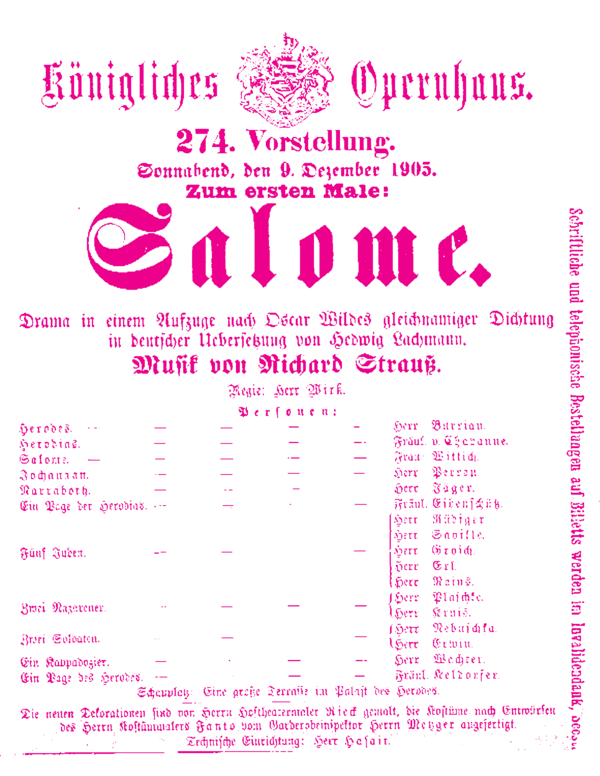
A play arrives at the designer as a script: a single voice running down the page, stage directions embedded within the same paragraph—nothing that behaves like theater. Theater has to exist somewhere, and it cannot reside within the text. In Salome, this difficulty has a precise address. The dance of the seven veils is the play’s climax, its brightest action, and a script can only announce that it takes place.
Constraint. The book had to feel cold, for a reader who has never stood in a rehearsal room, and the dance had to unfold on the page itself.
1.2 · Salome (Look)
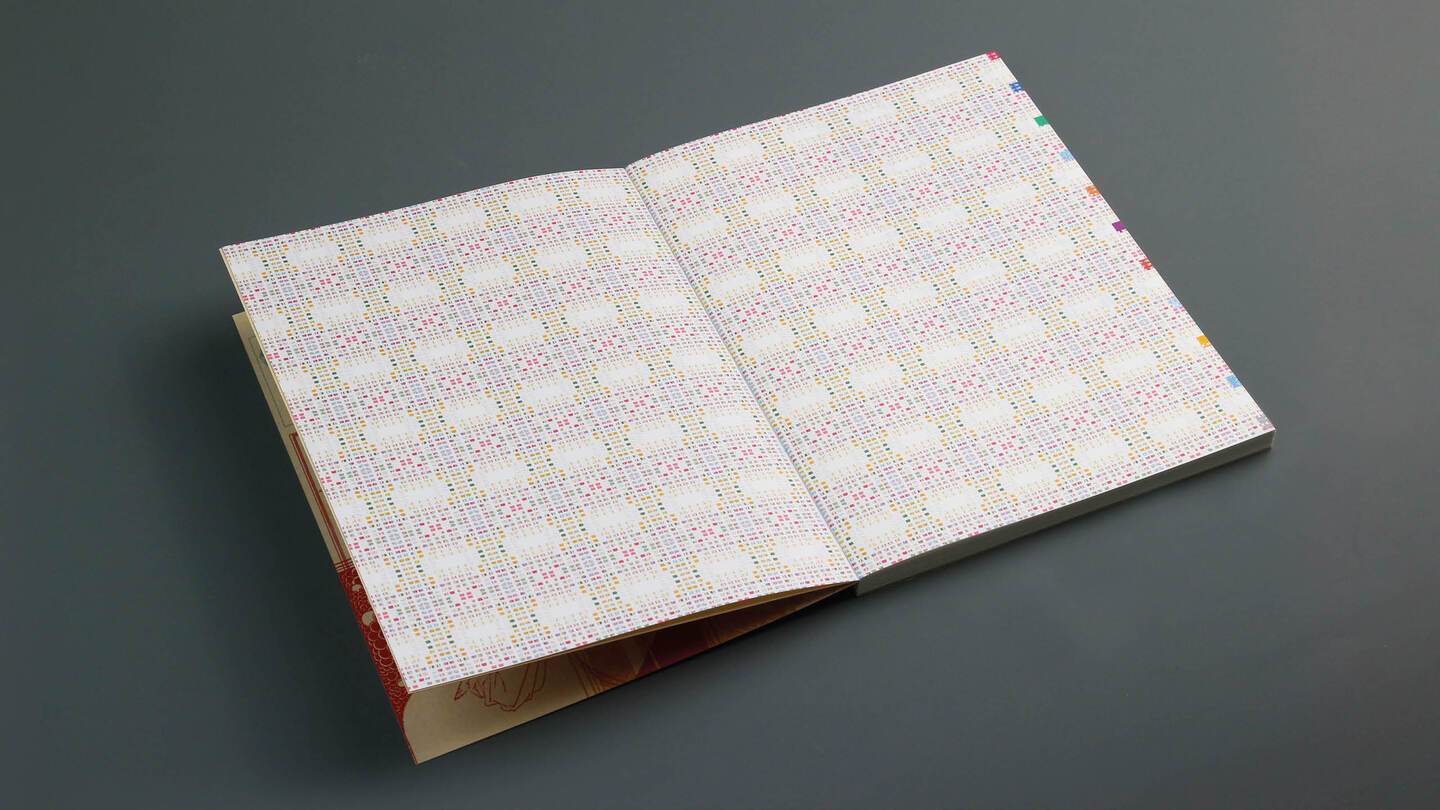

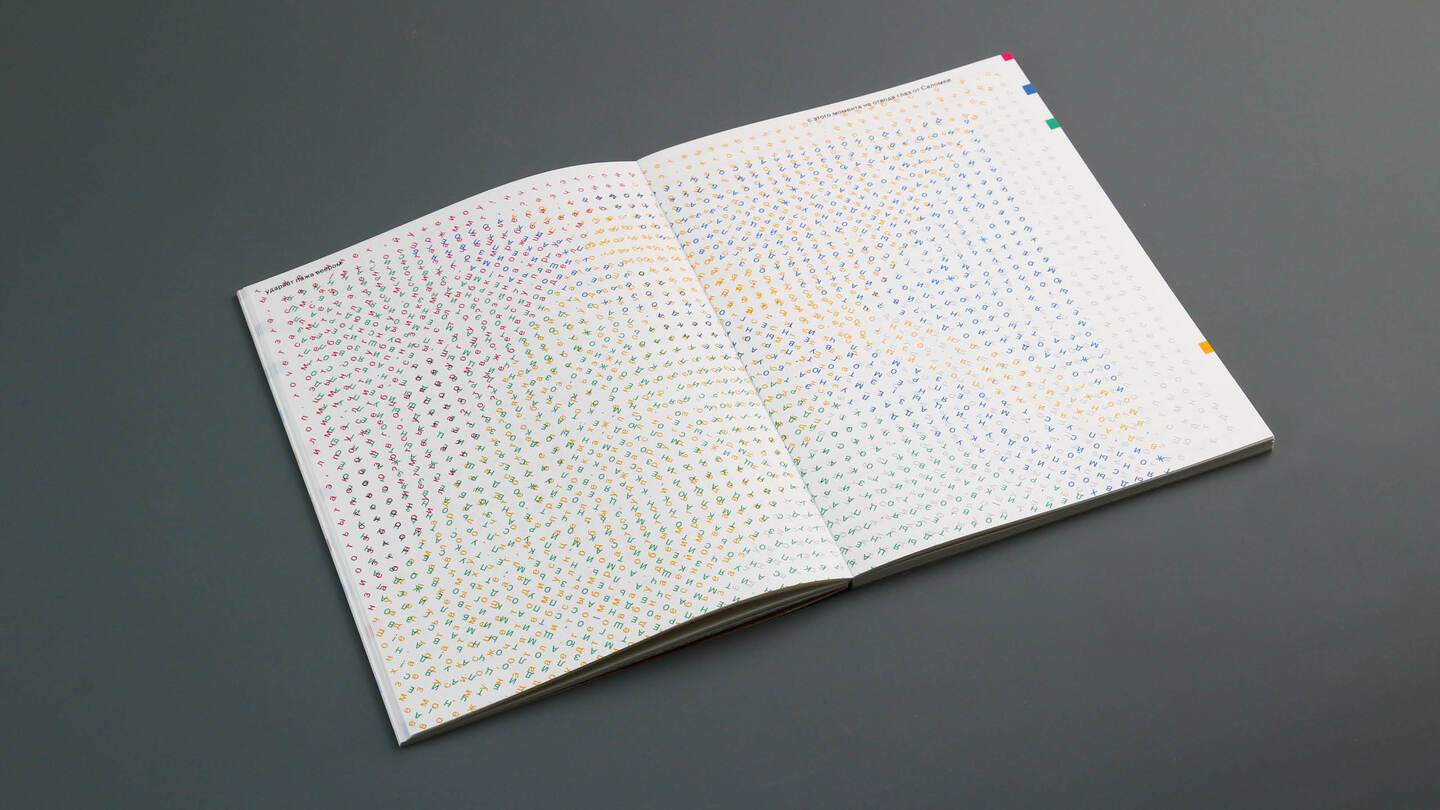
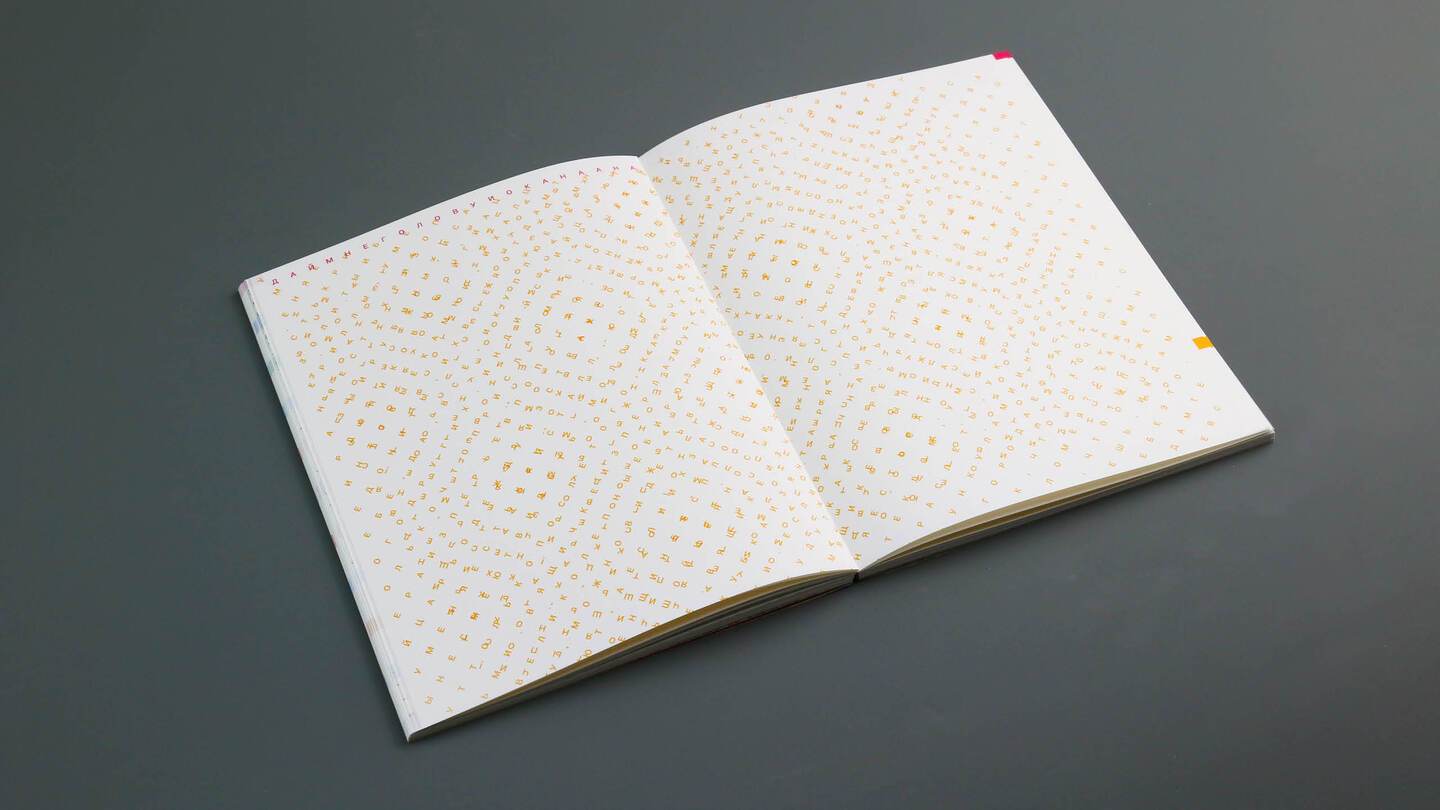
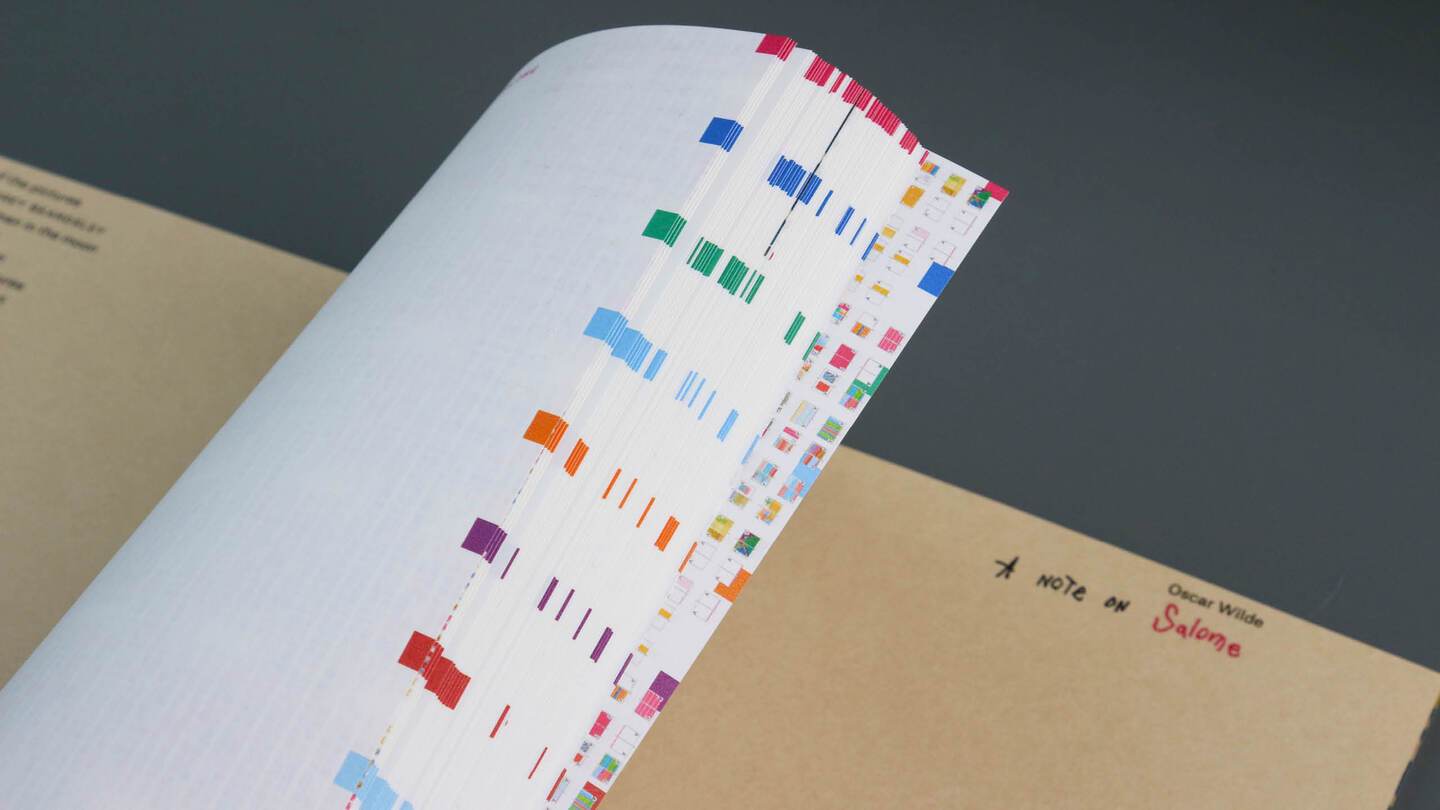
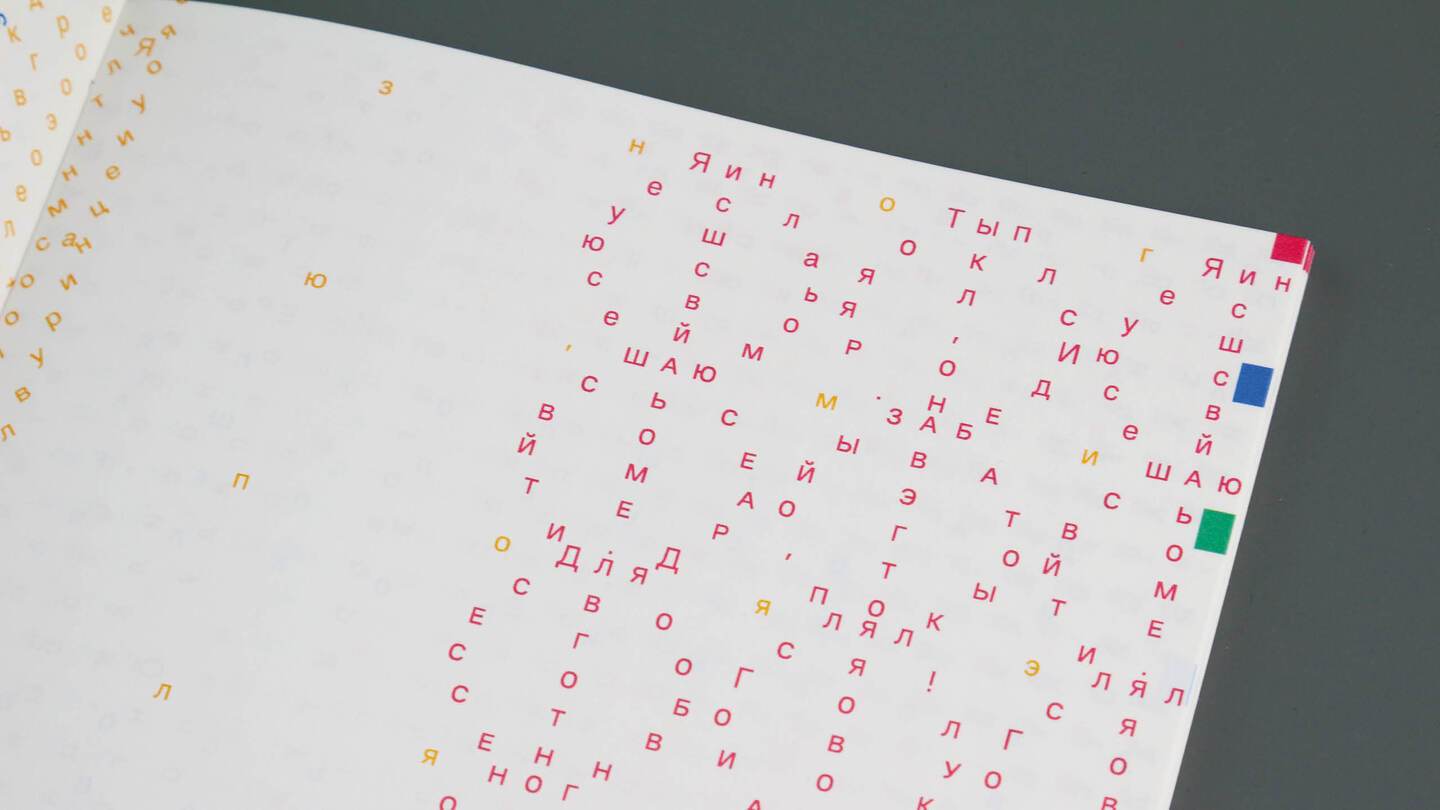
Anyone who has worked with a tool knows that material holds opinions. A line of type, I found, has a strong opinion about staying in its row. So I disassembled the column and made the veils out of the text itself: lines loosened into cloth, and the cloth spread into fields of letters, until every page read as a canvas woven from the play. Each character was given a color of his or her own, and the voices add up to one bright canvas.
1.3 · Salome (Linger)
A page can be a stage. But a stage needs an audience. Where does the reader sit?
Three acts, three densities. In Act III, the typography abandons the column and takes over the entire sheet, suddenly allowing the reader—who has been walking in single file—to wander. The dance happens on the page, and the reader watches it there. Shown in Moscow, third-year exhibition. *A page can be a stage. It thinks in density. But a stage needs an audience. Where does the reader sit? *
2 · Maxim Savva (Read)
The Best Time: a catalog that is one meeting.
Better the meetings that never took place. From the catalog
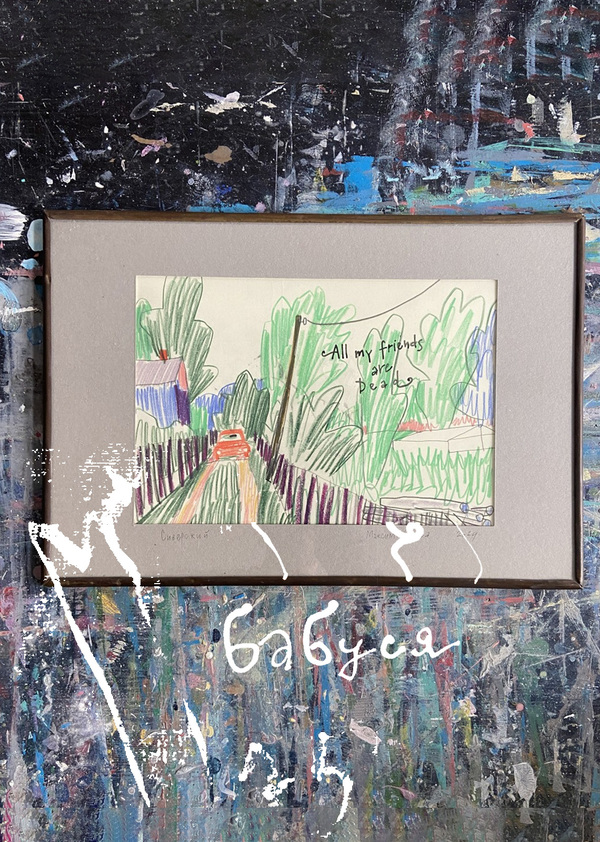
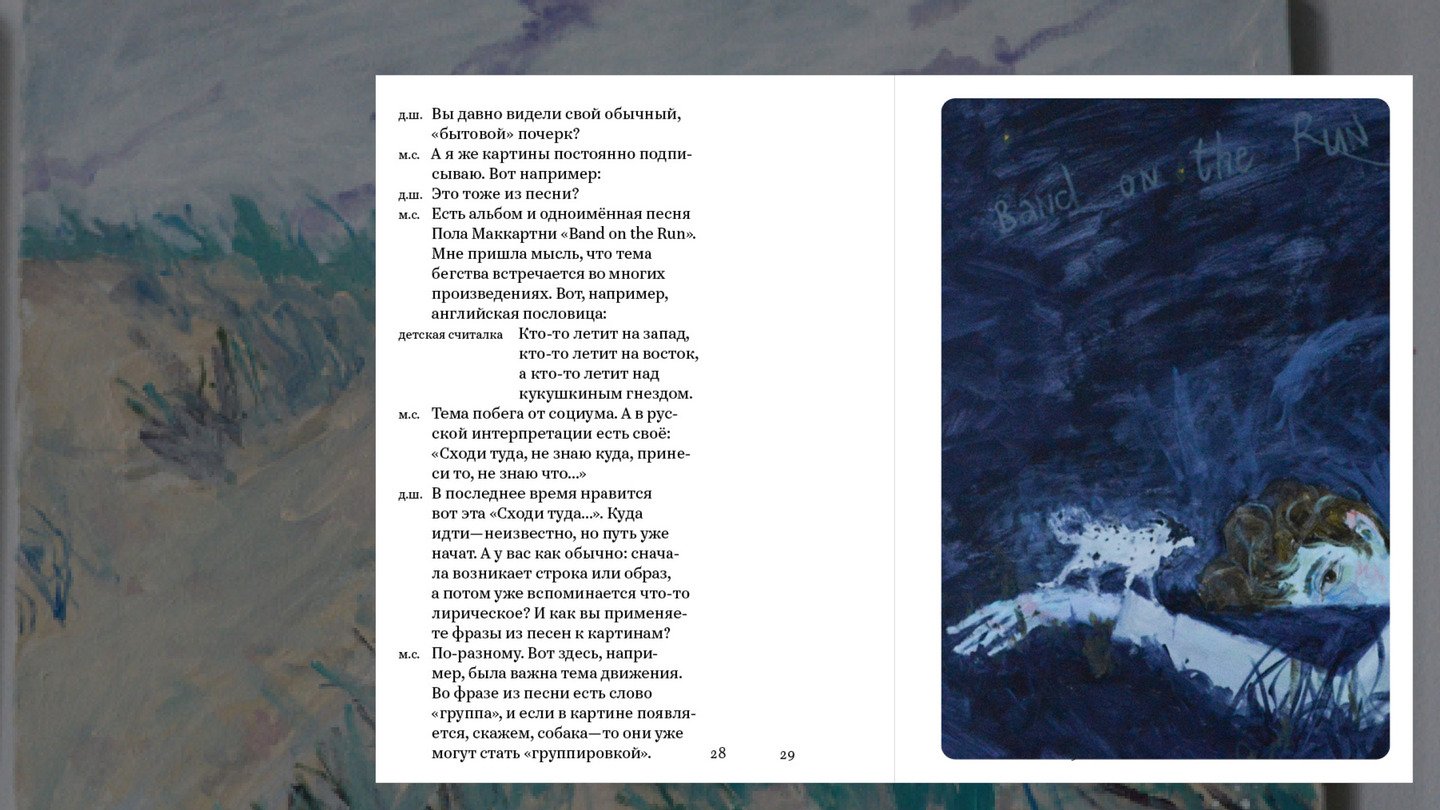
A catalog is usually a warehouse of reproductions: flat, square, scanned. I came to Maxim’s studio on a single day with a camera in my bag, and I wanted something larger than a catalog—a complete book that invites the reader into the meeting itself. Constraint. A small book, designed to be held in one hand, closer to a devotional object than to a catalog.
2.2 · Maxim Savva (Look)
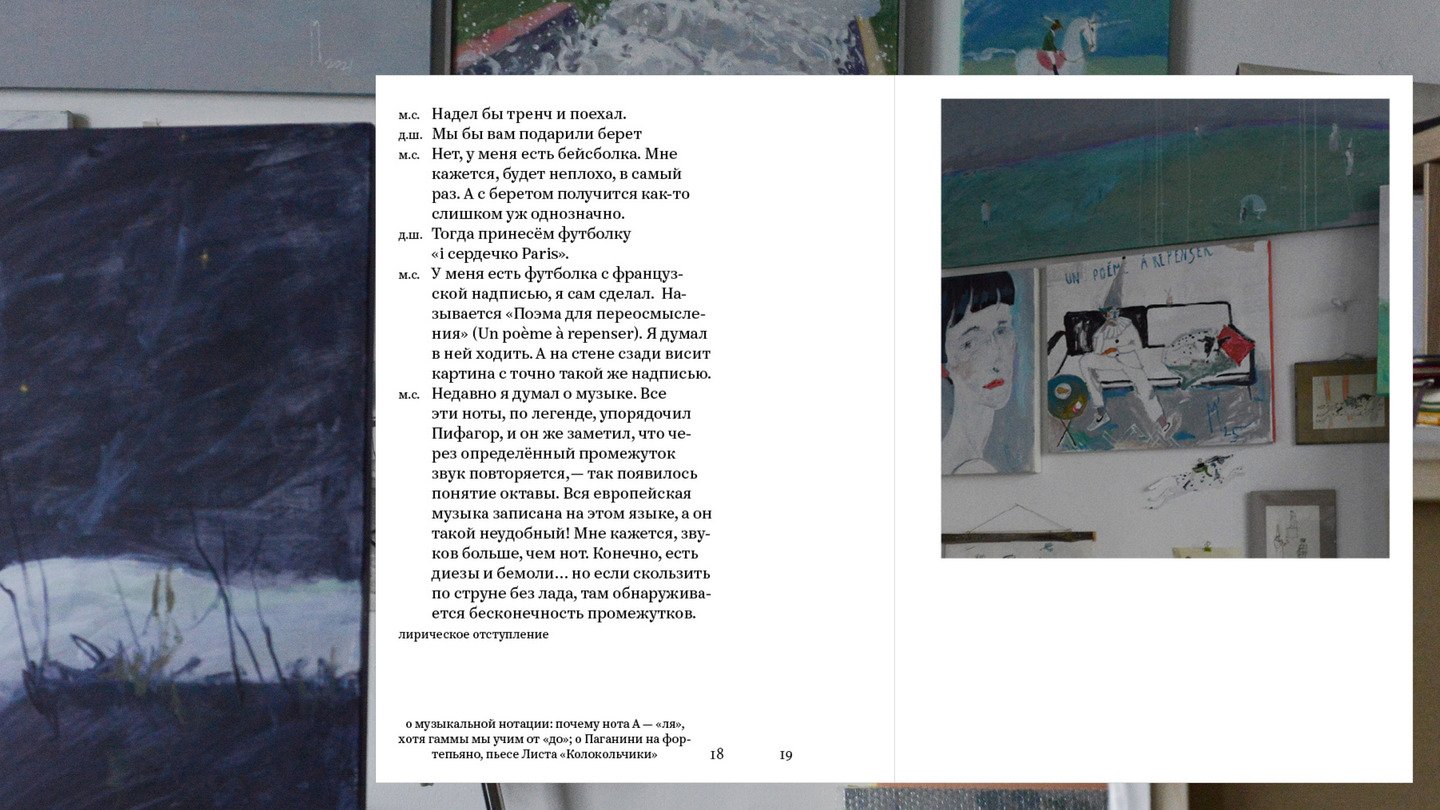
We conversed in armchairs, which kept us low to the ground. When Maxim spoke of a painting, he gestured toward it, and our eyes followed his fingers up the wall. Therefore, the photographs were taken from that same vantage point, looking up, and every painting hangs where it hung that day. Some canvases are difficult to see—they faced the window, and the afternoon’s reflection remains on them. The conversation is transcribed just as it happened—about art, and equally about the mundane business of an ordinary day.
Because the talk is recorded and the paintings he points to are shown, the reader can join the meeting simply by reading along. It is also a fragile record, as many of the paintings have since been sold and the studio looks different now.
2.3 · Maxim Savva (Linger)