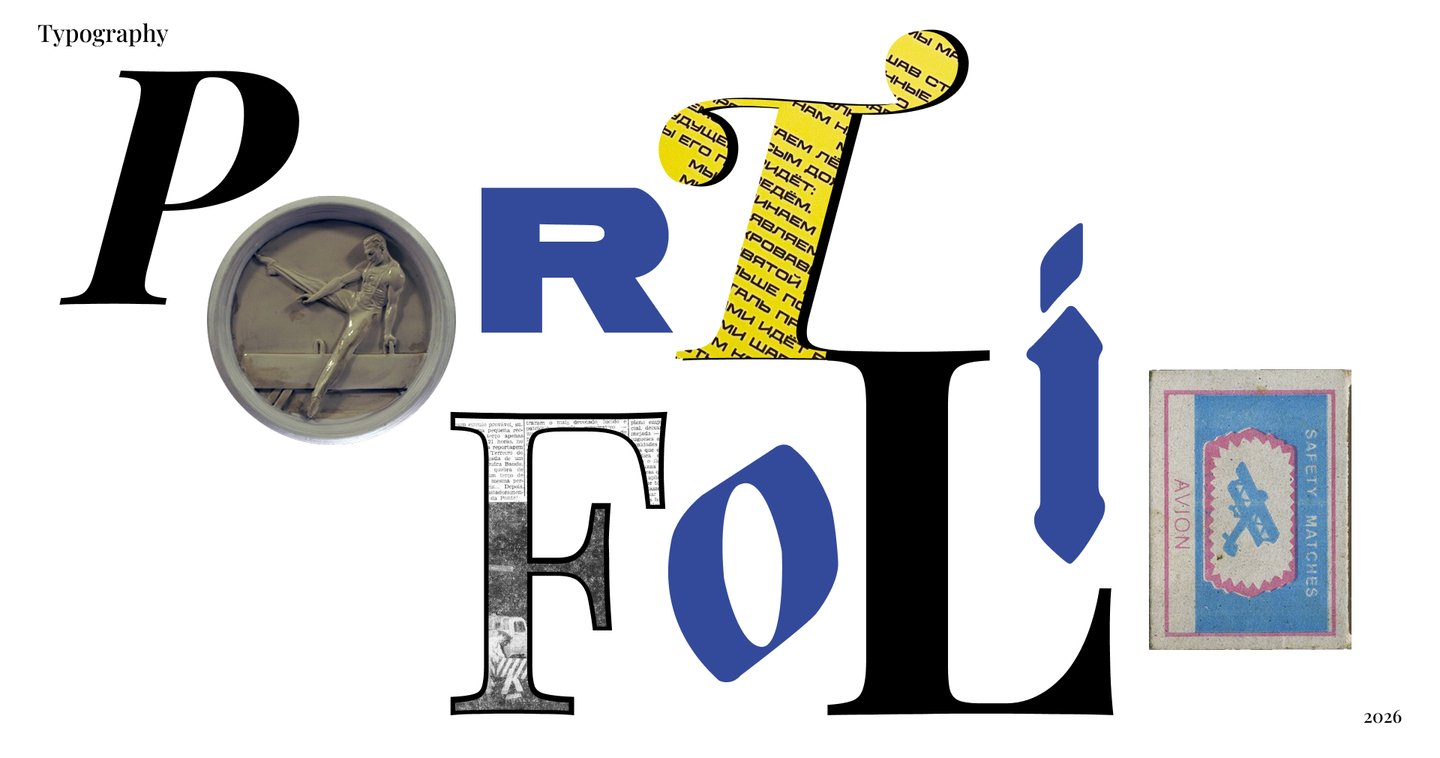

I’m Milana Lupashku, a typographer and book designer studying at HSE Art and Design School.I work with challenging material—archives, speeches, old newspapers, plays, and photographs. I research it, uncover the underlying form, and bring it all the way to a printed and bound object.
Let me tell you a story.
It begins with a pile of paper.
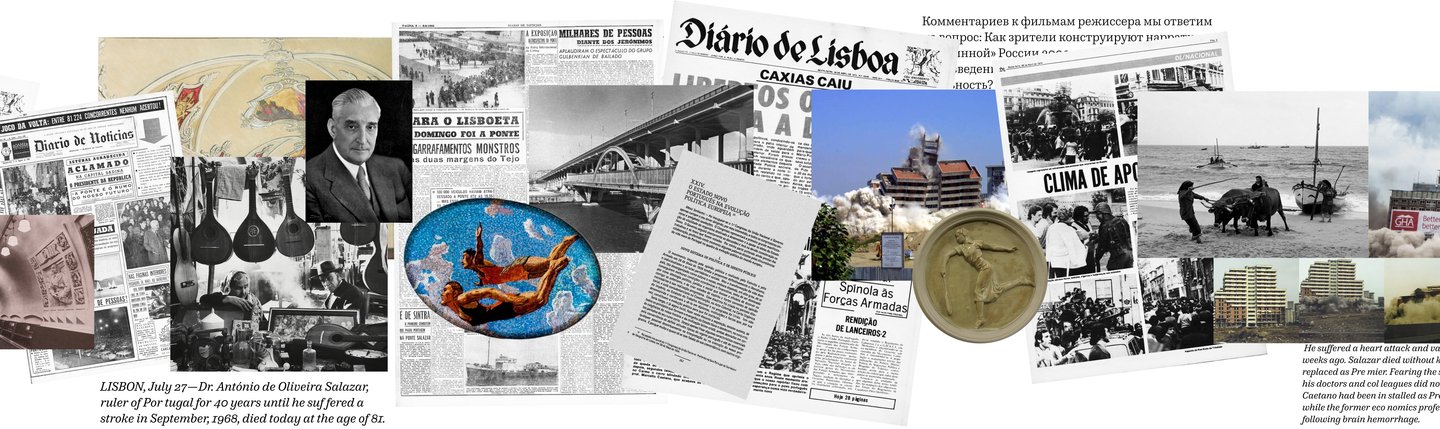
It’s just material, not a book. Yet.
Every story already holds its design.
I find it.
01. Salazar’s Diary
(Book · 2026)
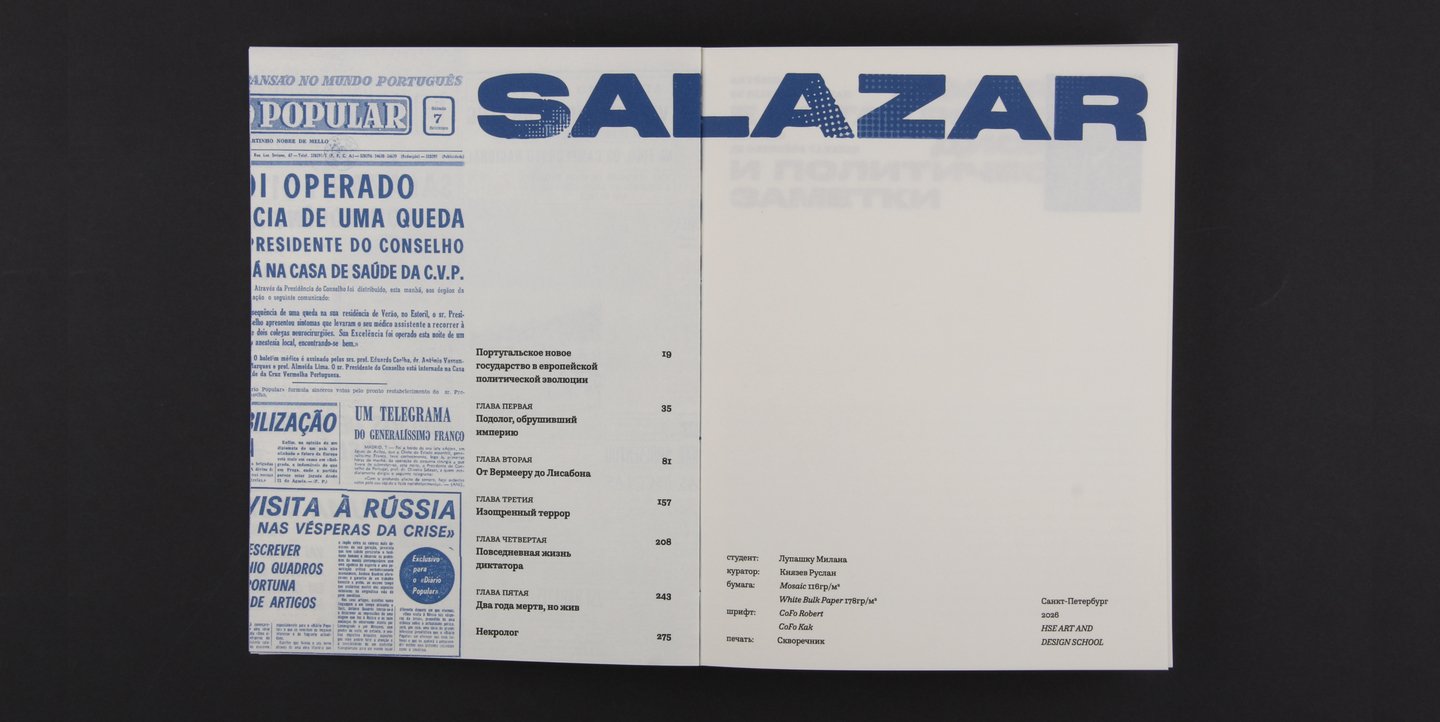
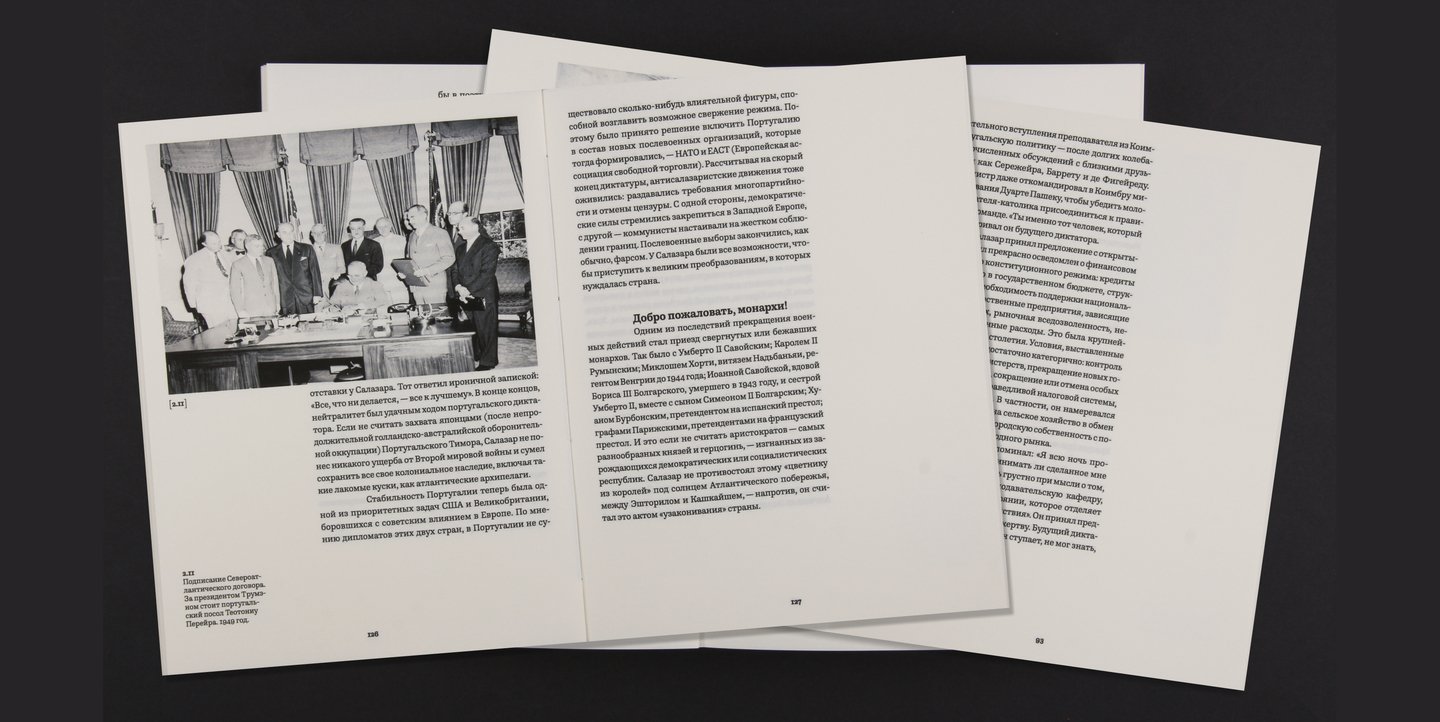
Diário de Salazar is a research book about António de Oliveira Salazar, the dictator who governed Portugal from 1932 to 1968, and about the Estado Novo—one of the longest-lasting authoritarian regimes in 20th-century Europe.
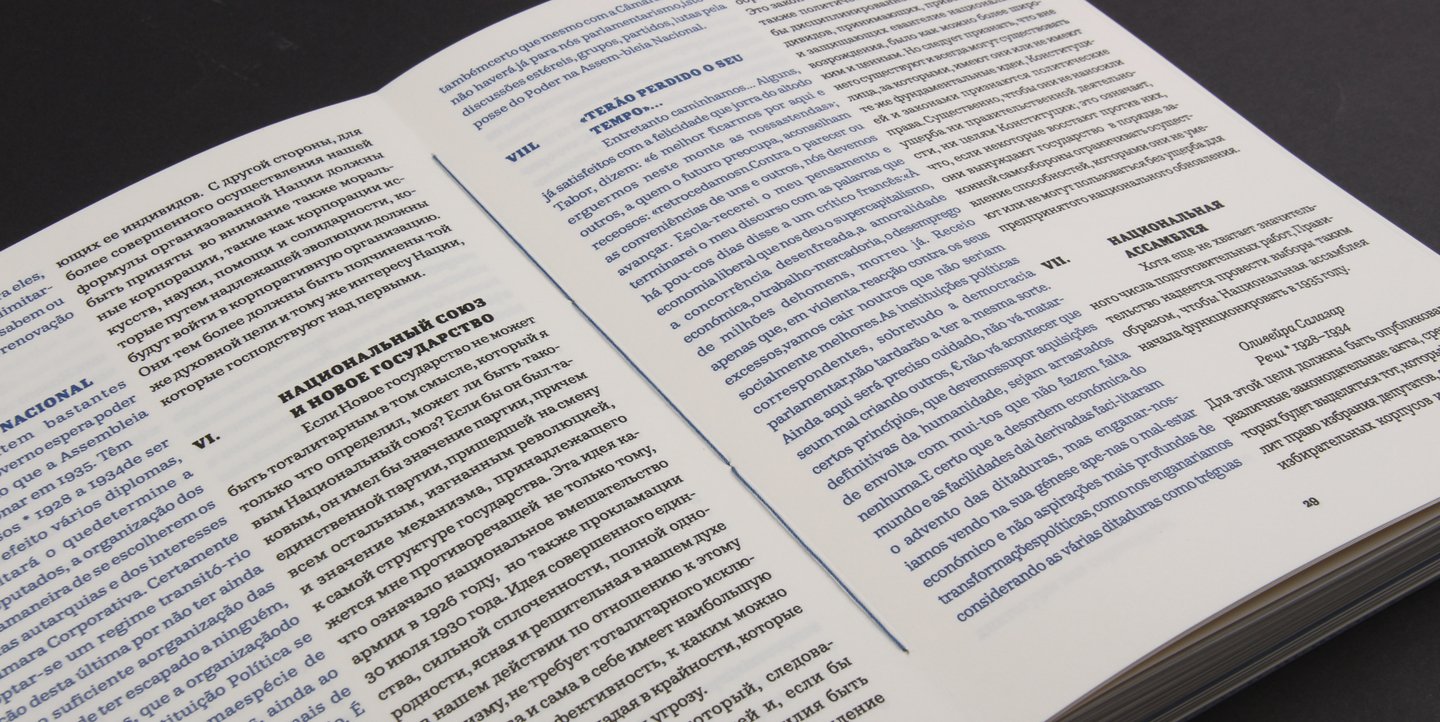
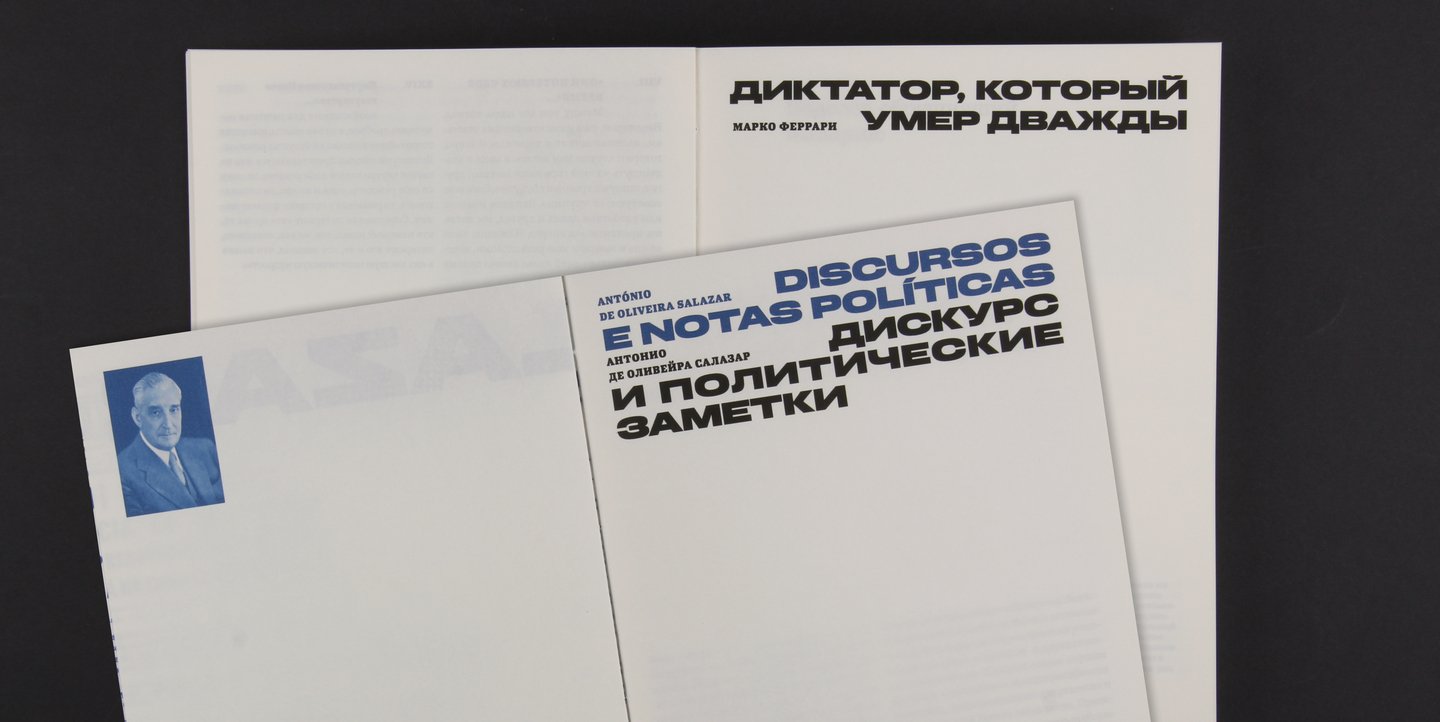
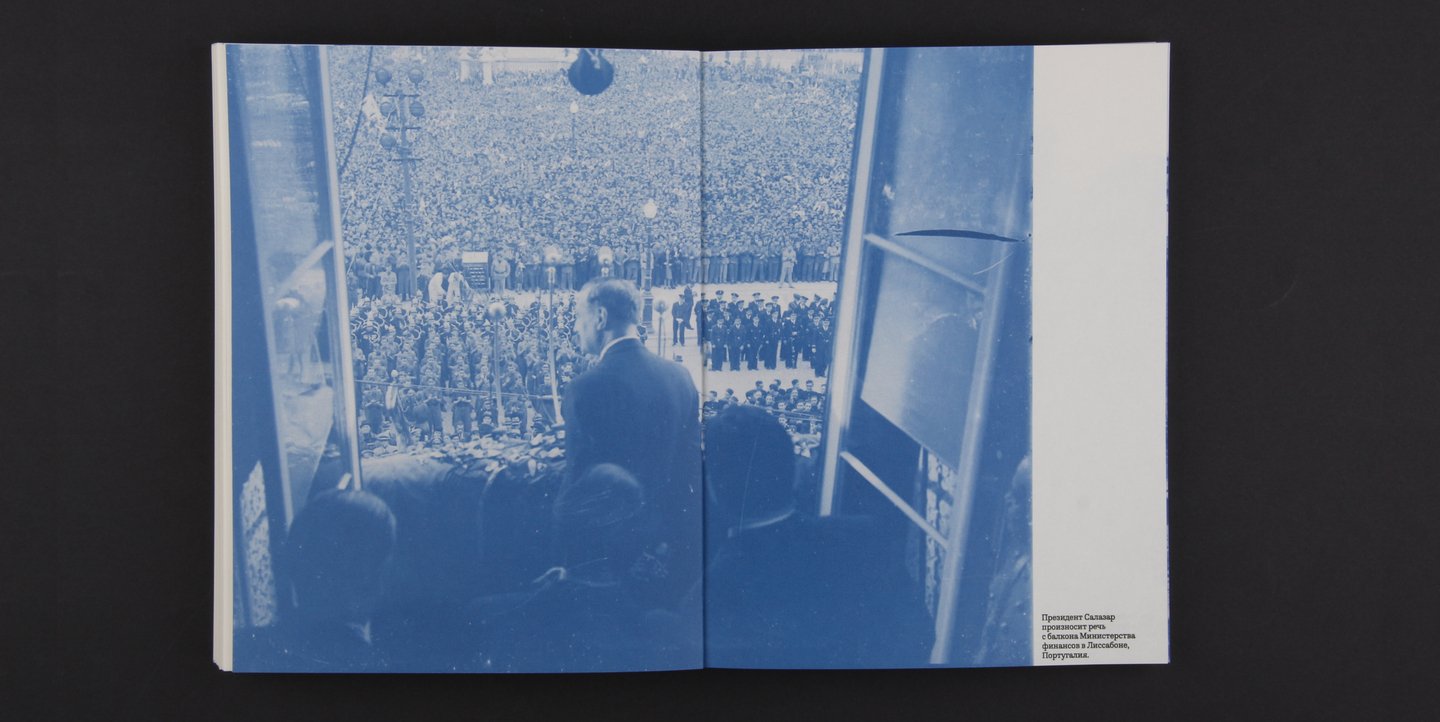
One story, seen from many sides.I wanted to create a large, complete work that allows the reader to view this history from multiple perspectives and become fully immersed in it. So, the book compiles era newspapers, Salazar’s speeches in a bilingual edition, his biography, an obituary, and historical photographs.How do you make newspapers, speeches, and an obituary converse as a single book?
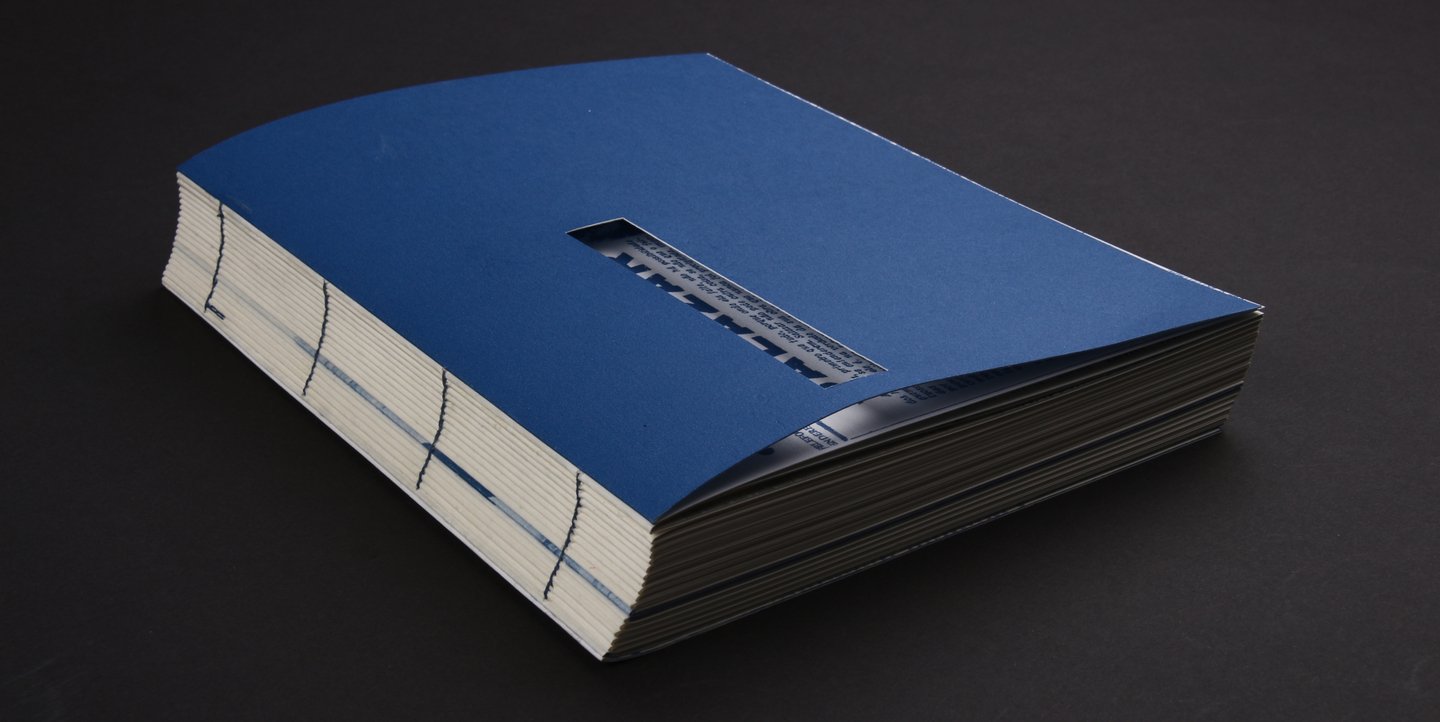
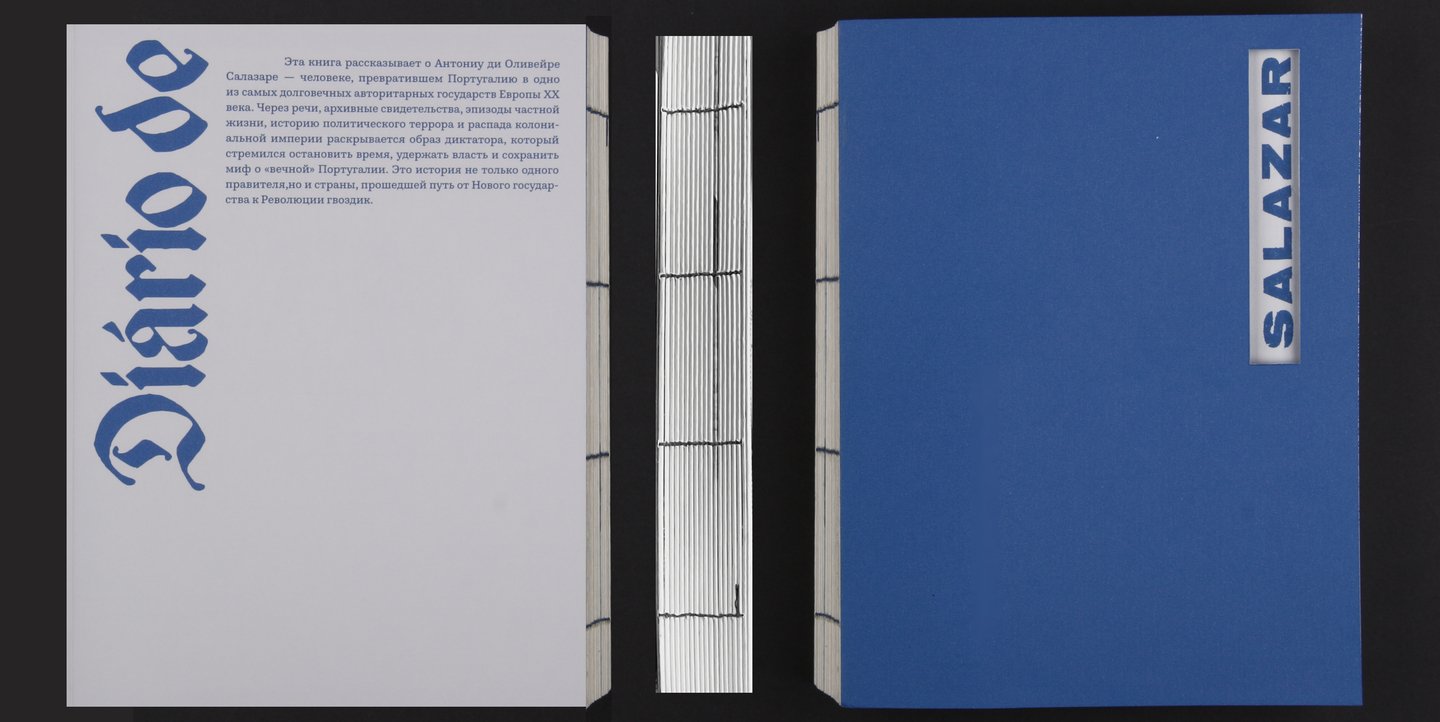
Printed and hand-bound, with a die-cut cover: Diário on the front, Salazar on the back.
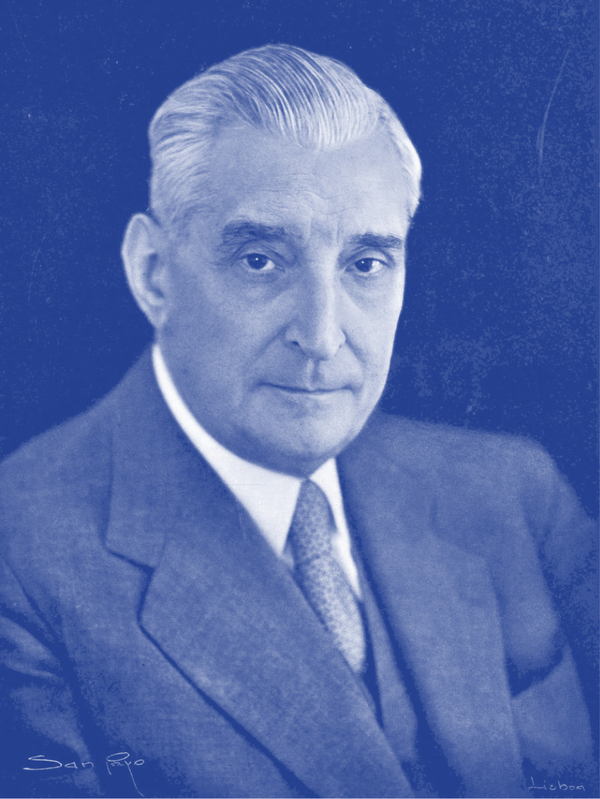
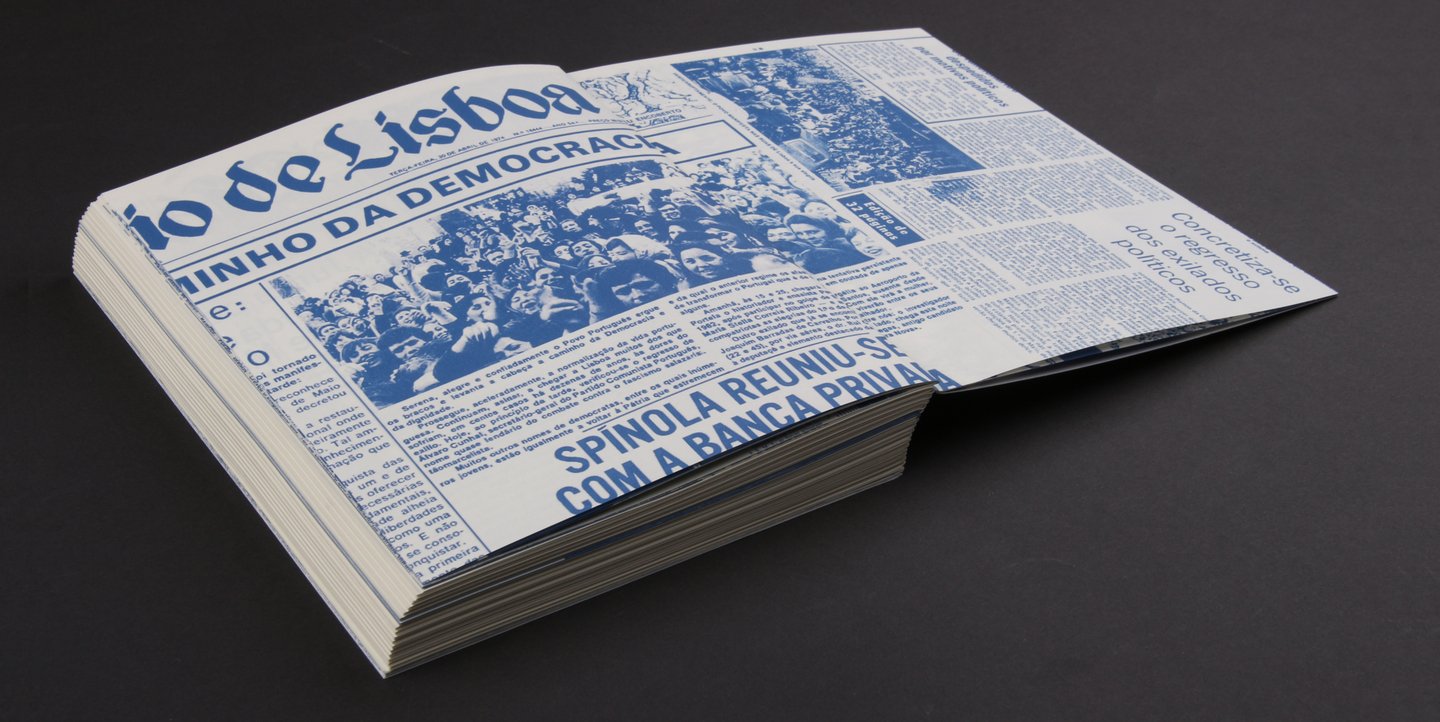
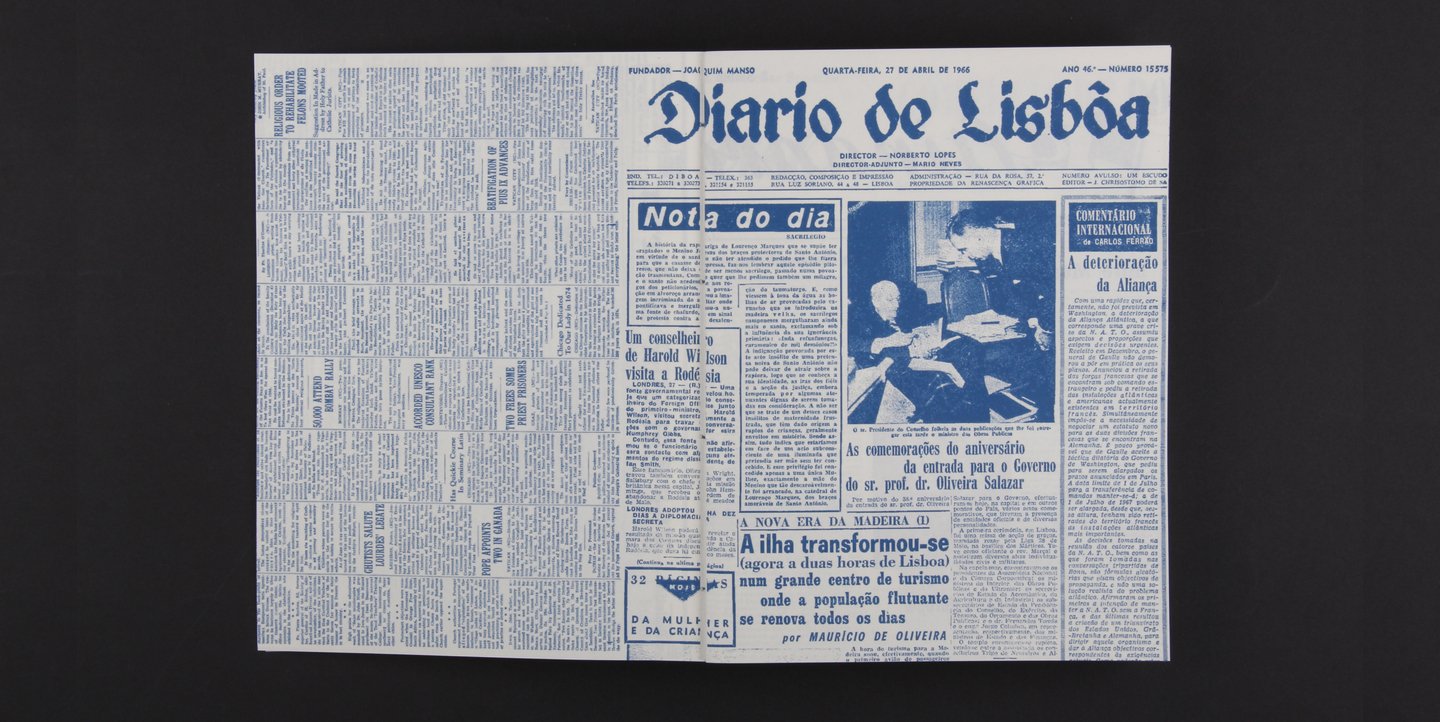
The answers were in the material itself.1. Newspapers as entrance and exit. The book opens with newspapers from before 1968 and closes with newspapers published after his death. The title itself is derived from Diário de Notícias, Salazar’s favorite newspaper.2. Azulejo blue. The color of traditional Portuguese tiles tints every photograph and newspaper, holding the different materials together.3. Wide margins. A reference to the classical book canon and to the conservatism of the regime.4. Bilingual spreads. Speeches and the obituary sit side by side with the Russian translation.
02. Moscow Metro
(Book · 2025)
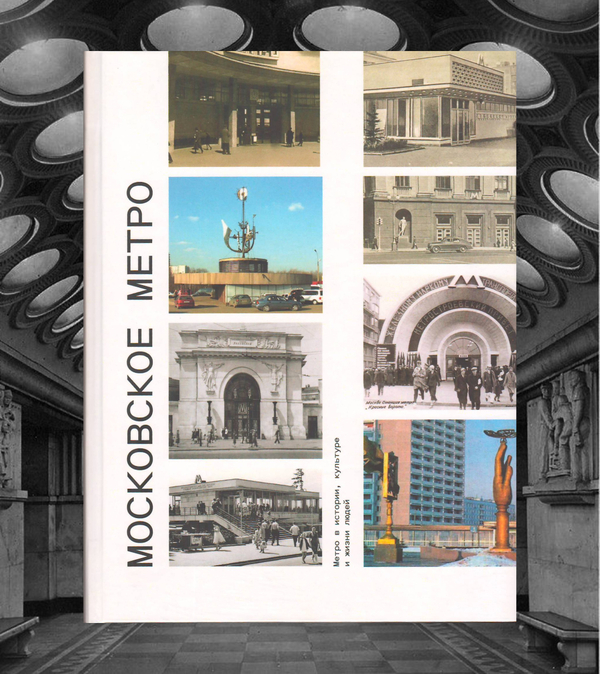
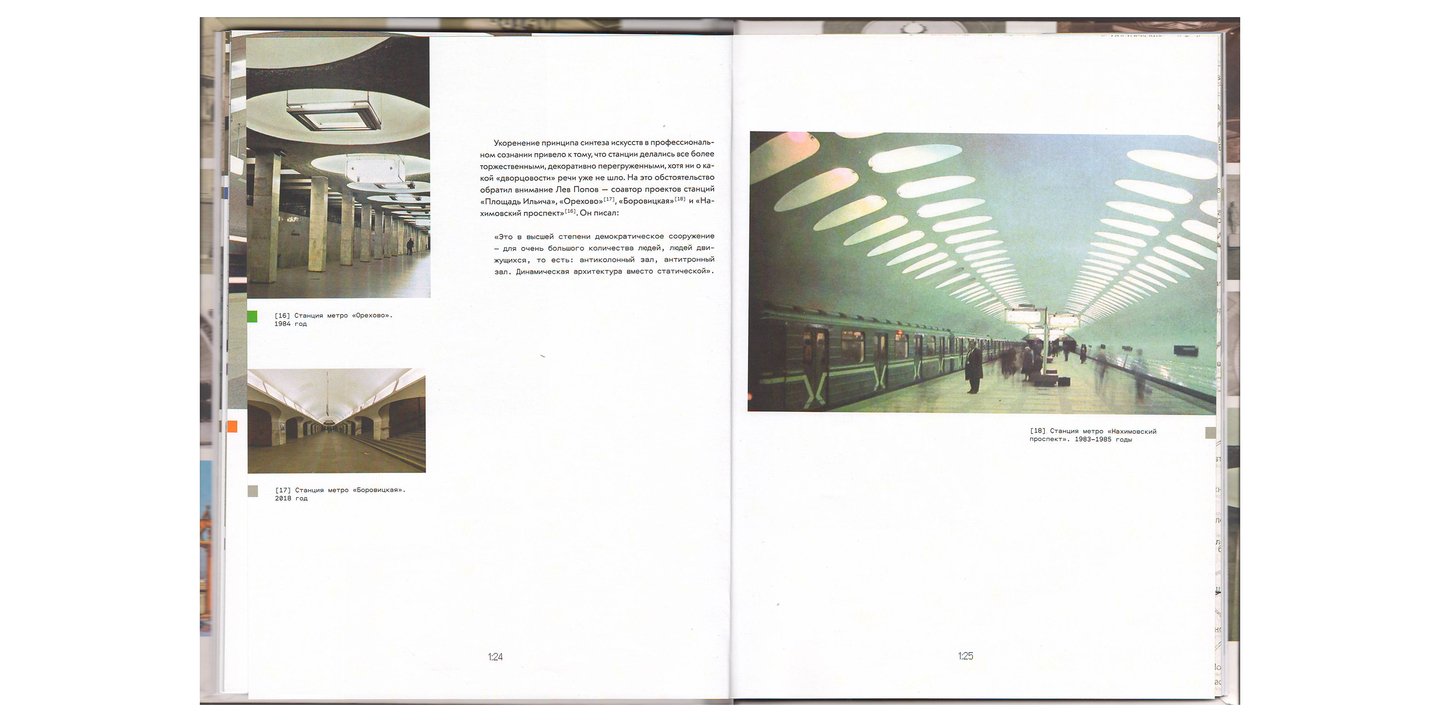
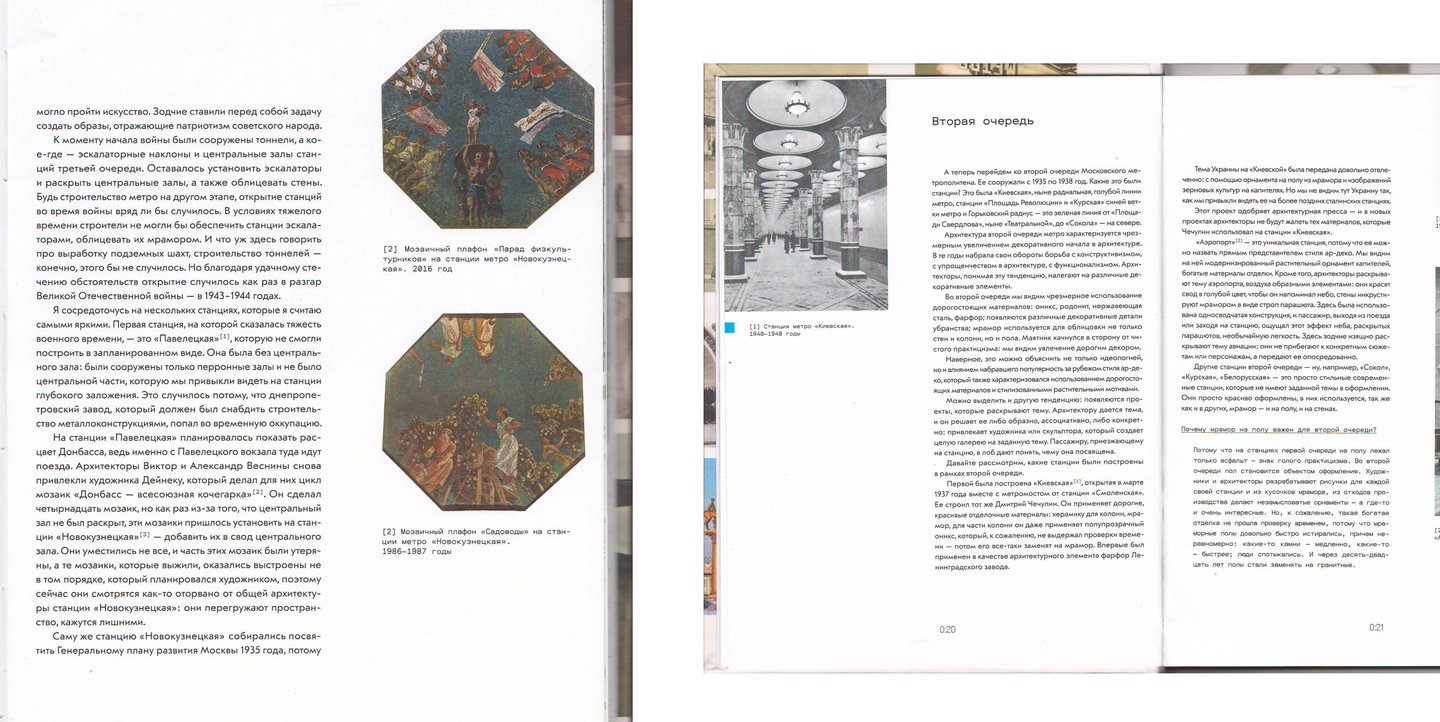
A book inspired by a lecture series on the Moscow Metro, featured on Arzamas—an educational platform dedicated to cultural history. It explores the metro’s construction, the meaning behind its architecture, and its evolution—from Stalin’s underground palaces to the stations built after the collapse of the USSR.How do you transform a series of lectures—long, spoken, and steeped in history—into a navigable book?
The metro became the map of the book.
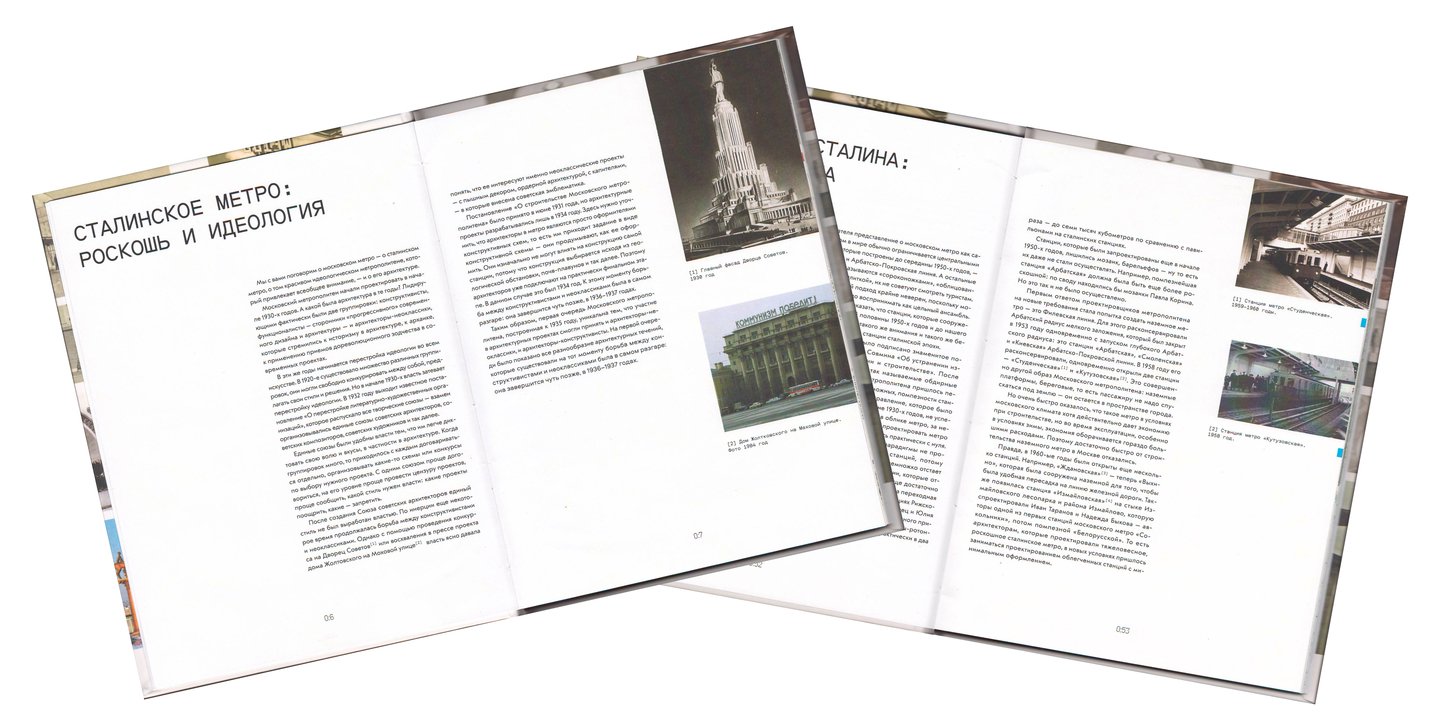
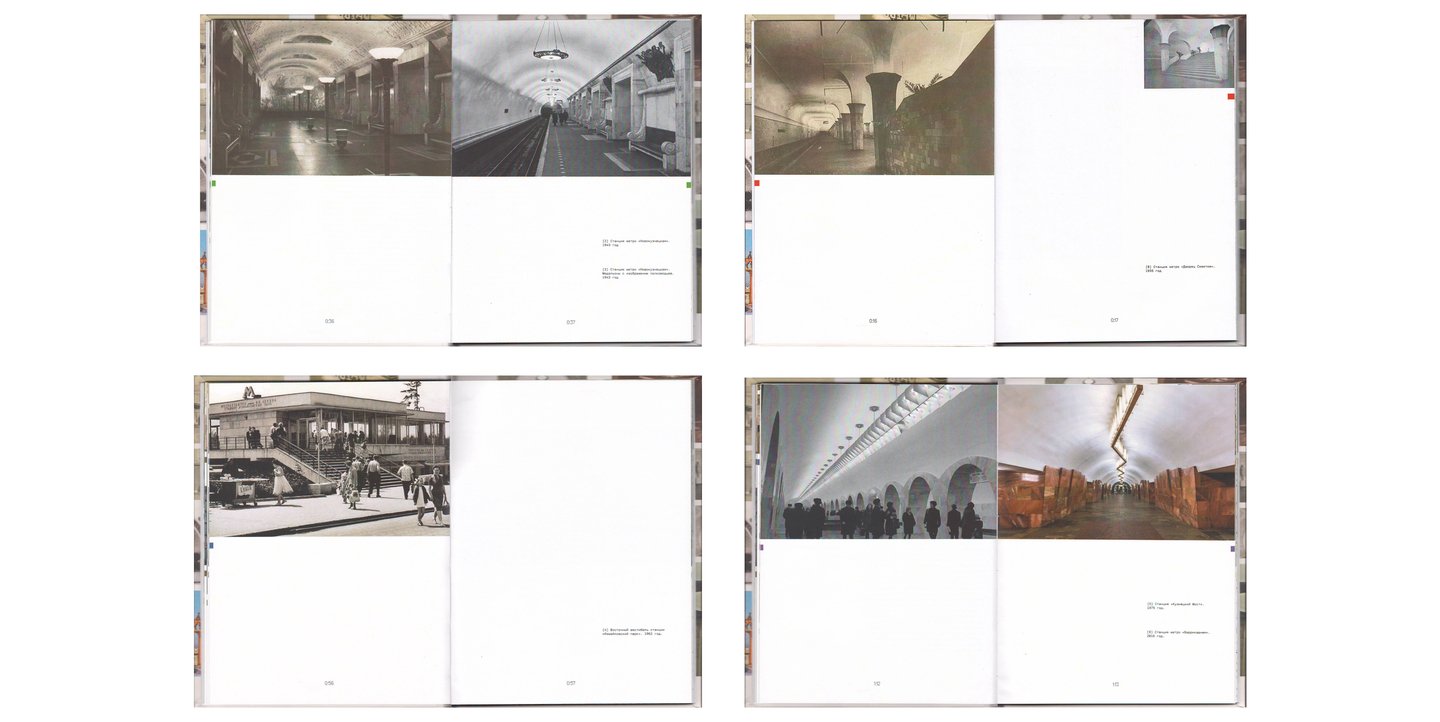
1. Line colors as navigation.
Each page is marked with the color of a metro line, allowing the reader to move through the book just as they move through the city.
2. The Metro’s Own Artifacts.
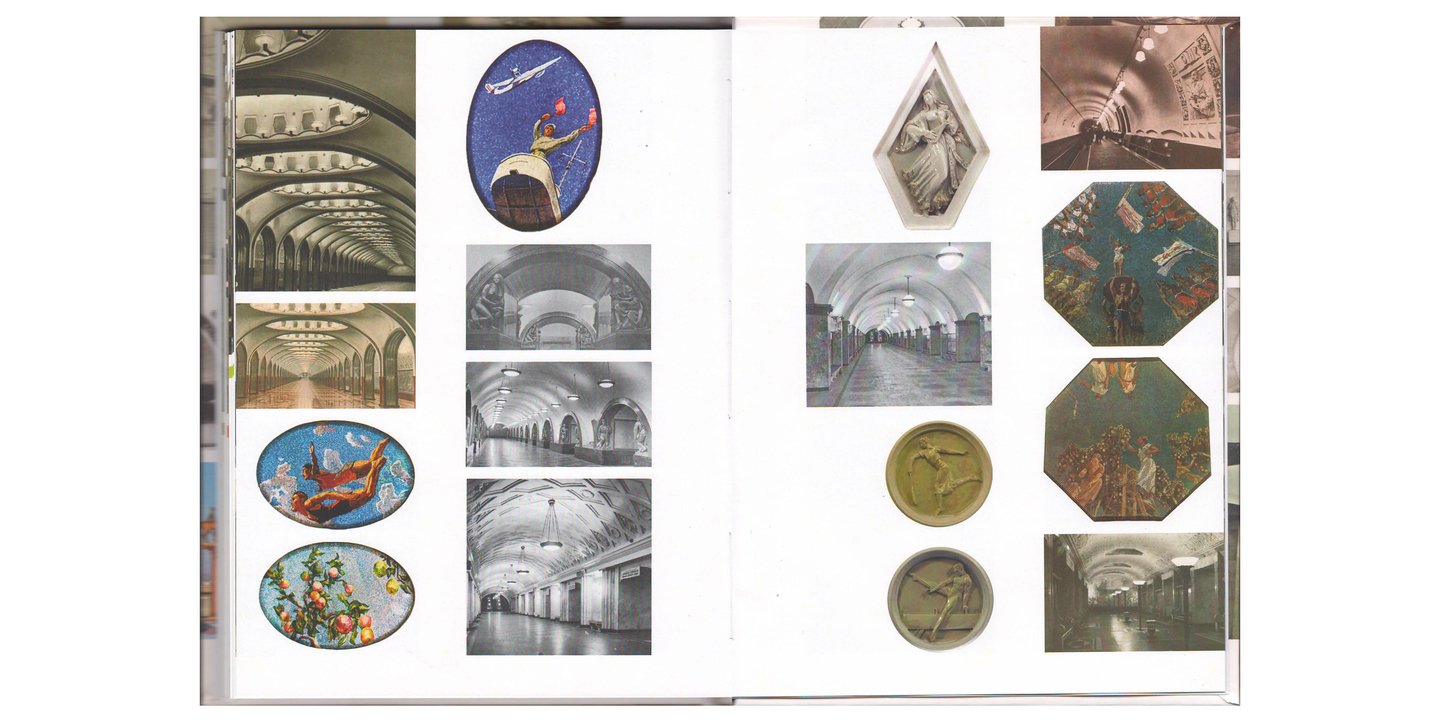
Signs, station clocks, tickets, and tiles
formed the visual language of the book.
3. History in pictures.
Archival photographs of the stations run alongside the text,
with captions on both sides of the spread.
03. Dream Street
(Exhibition Catalogue · 2025)
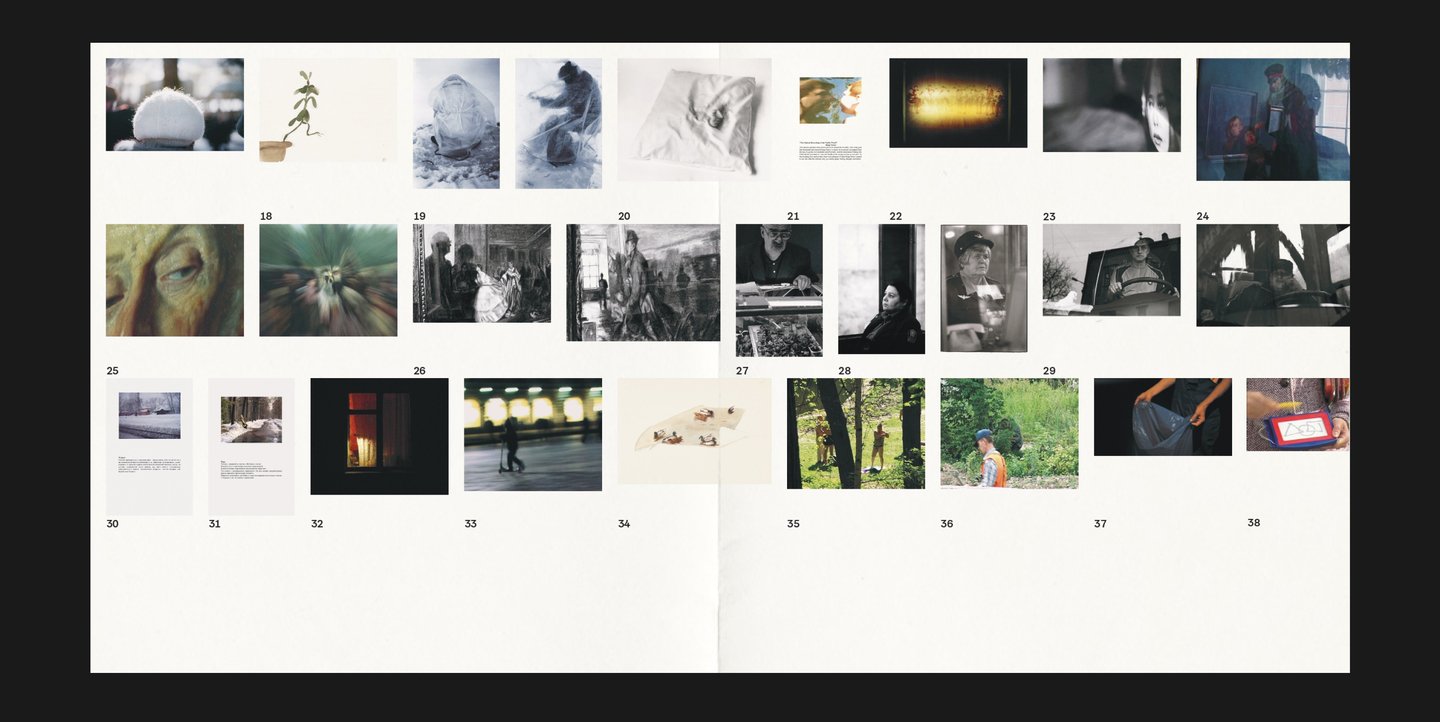
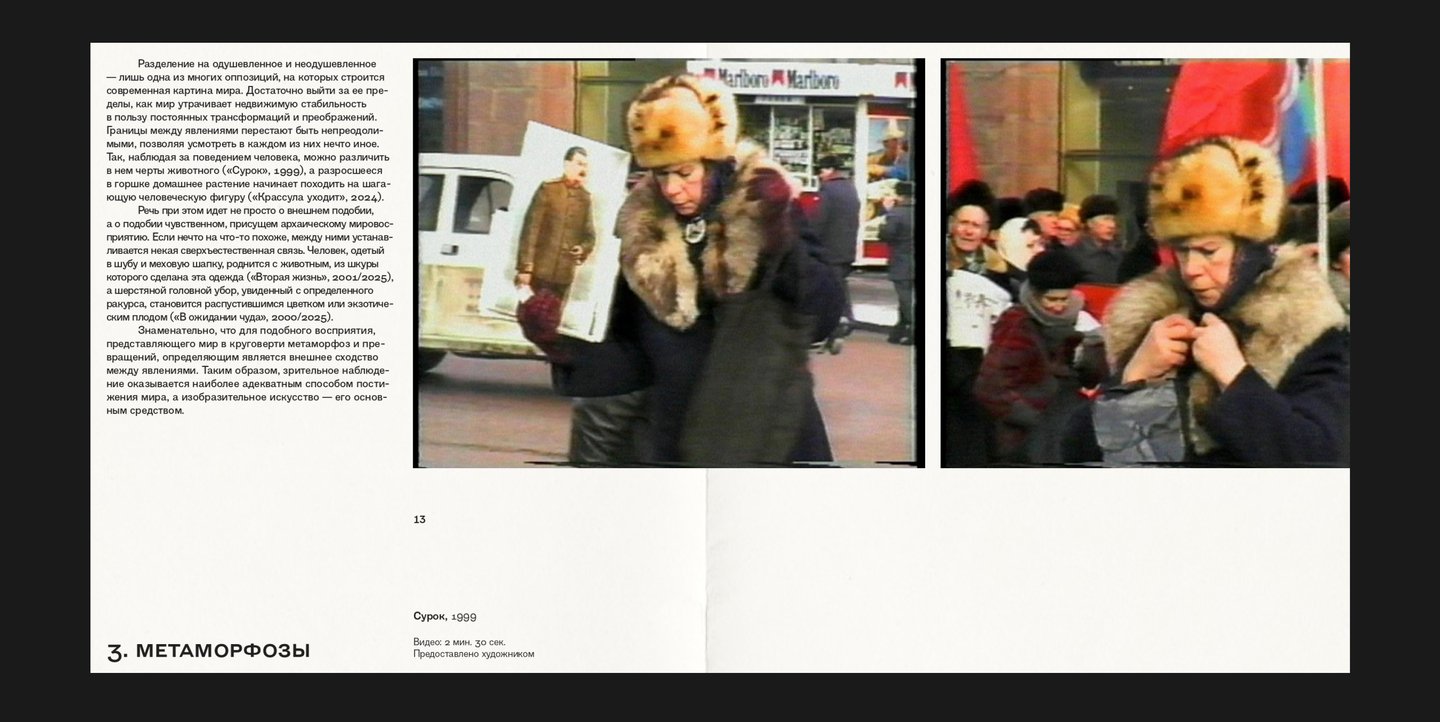
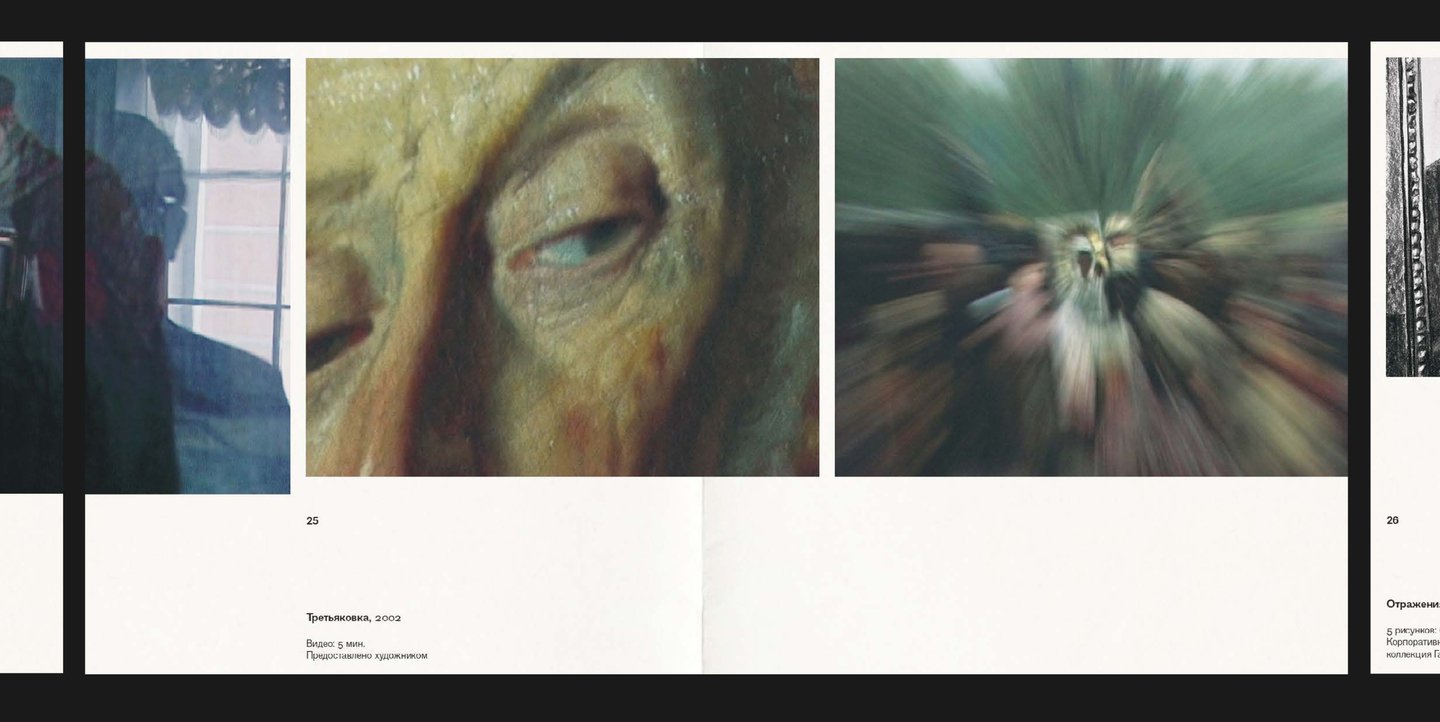
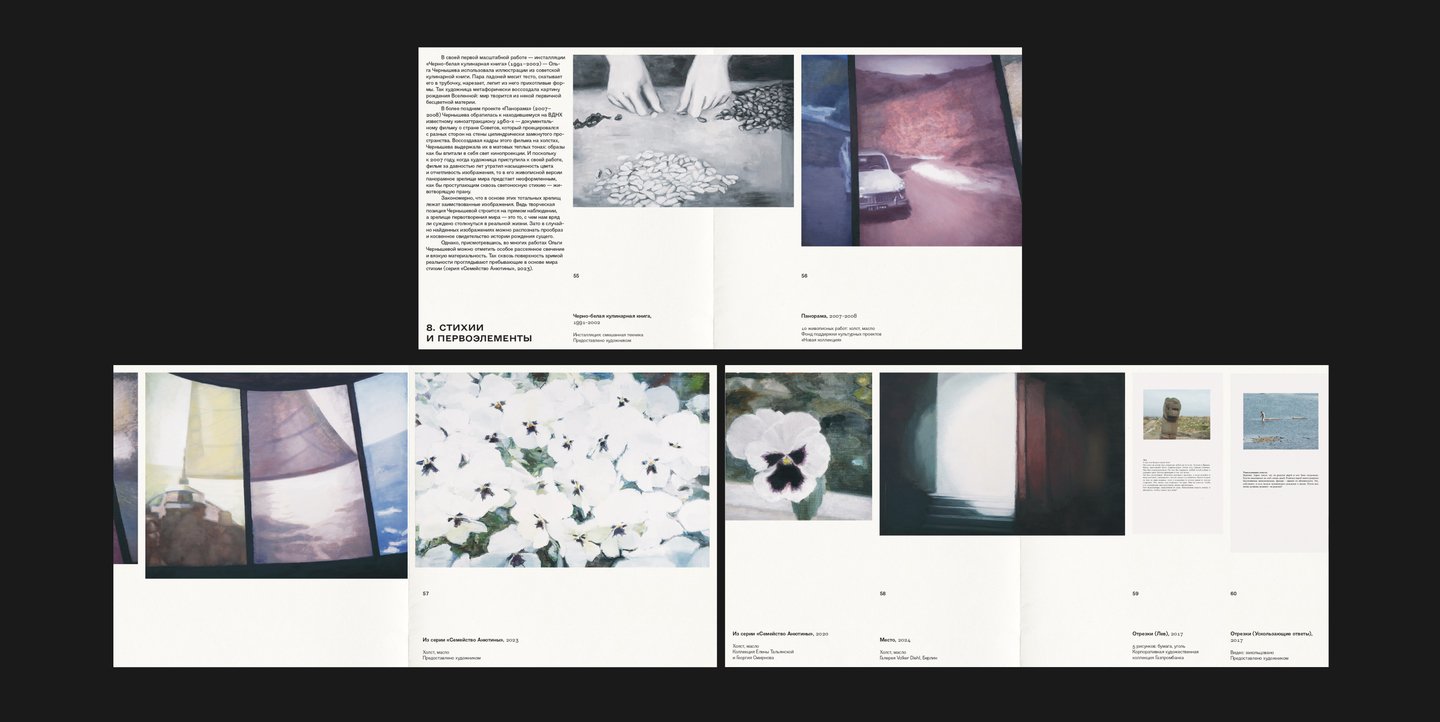
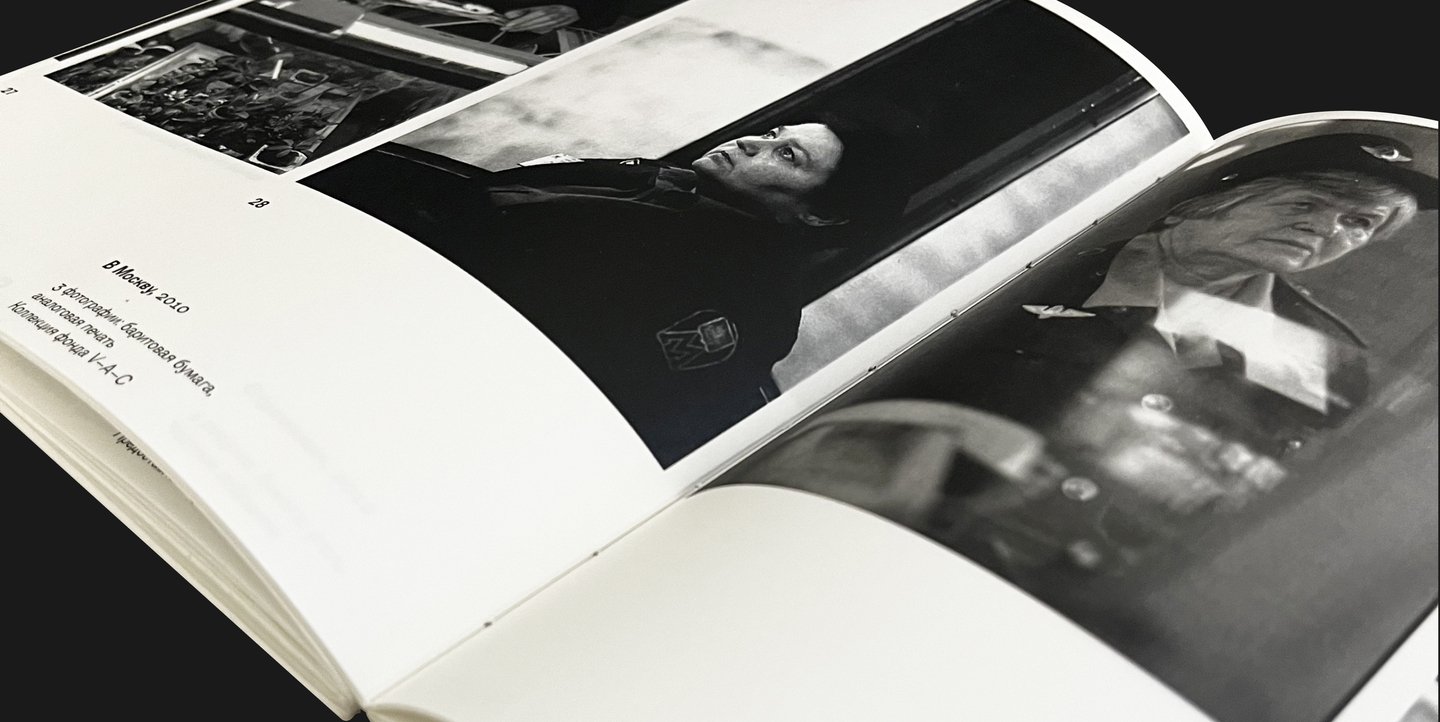
A catalogue for Olga Chernysheva’s exhibition «Dream Street» at GES-2 House of Culture. Chernysheva works with photography, video, painting, and graphics, continuing the tradition of Moscow conceptualism.The exhibition is a journey through memories, images, and sudden insights. It stages the artist’s symbolic world within the space of GES-2.
A catalogue is usually a list—works, captions, texts—one after another. But this exhibition is not a list: it is a walk.How do you transform a catalogue into a navigable street?
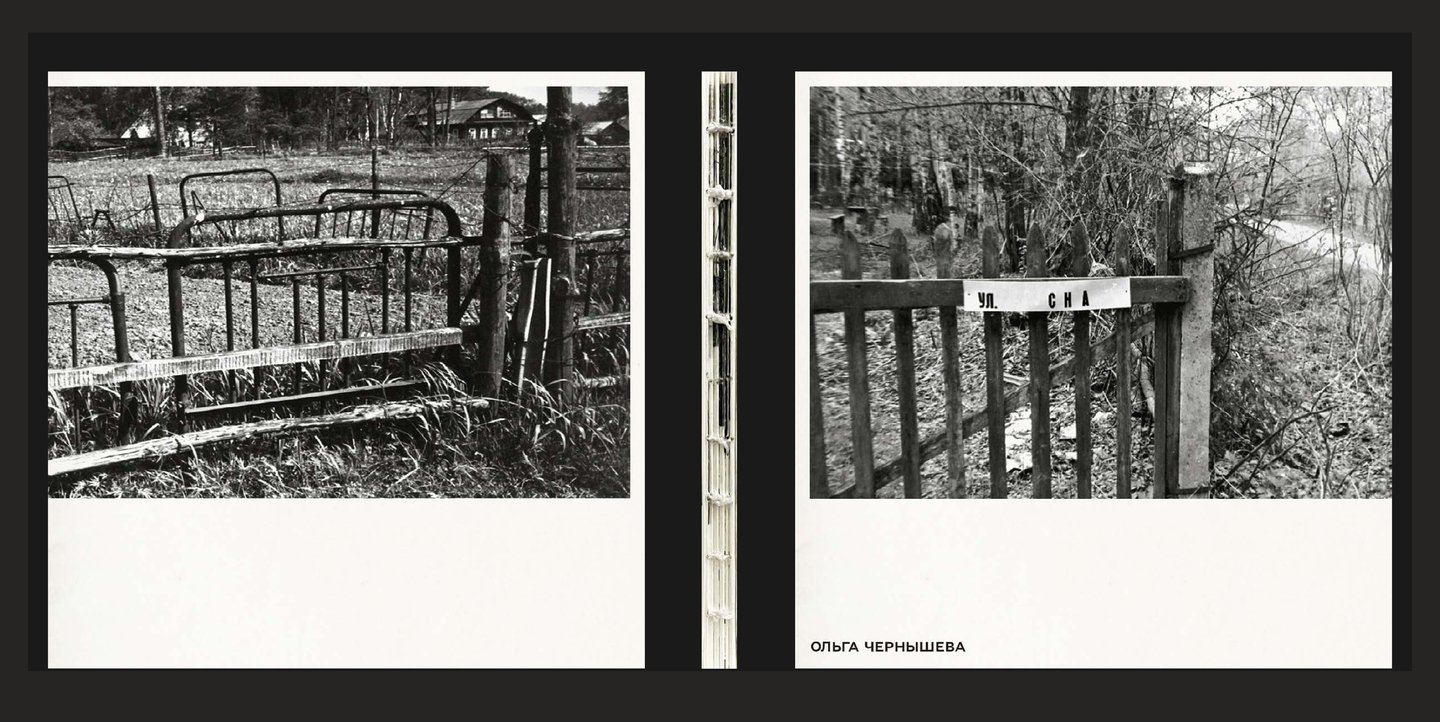
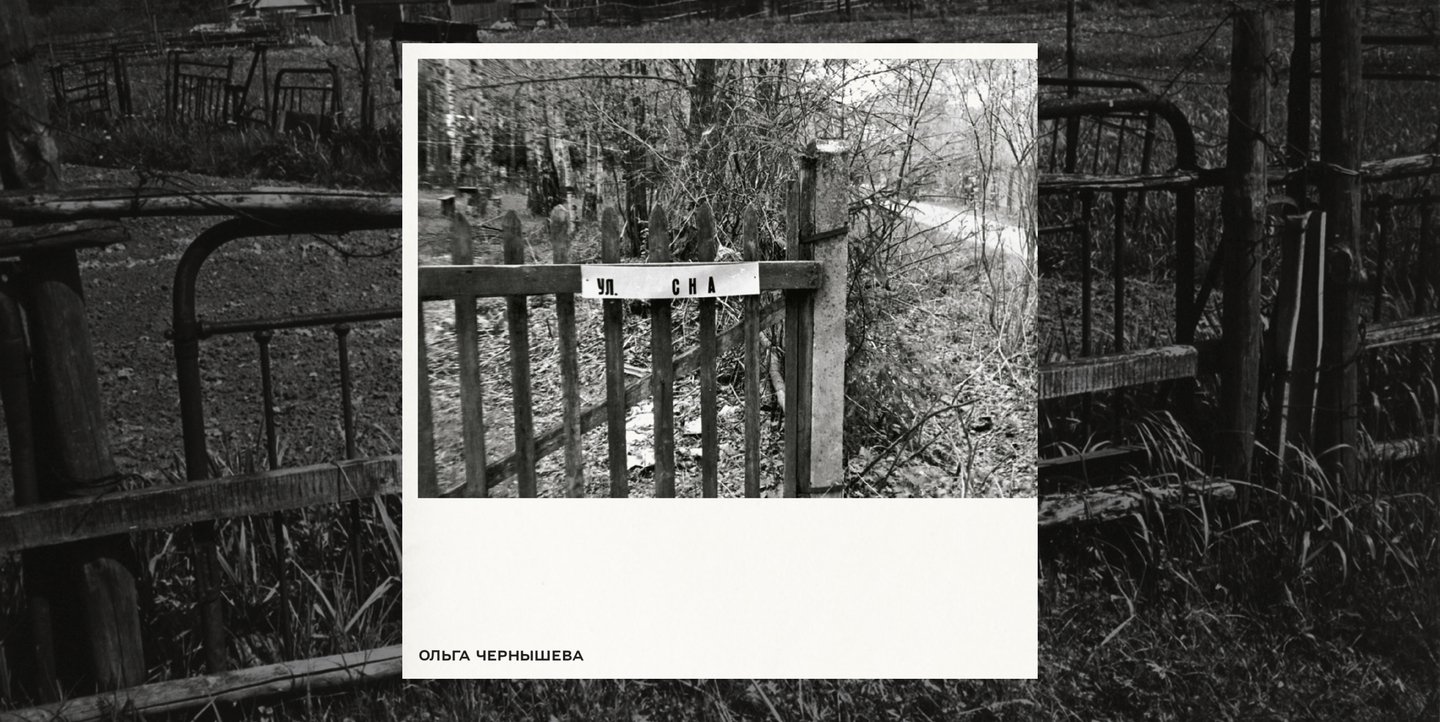
The format is derived from the title.1. A square that transforms into a street. A square format opens into a long, horizontal spread—the shape of a street.2. One continuous line. Images, text, and captions follow a strict horizontal flow, one after another, much like everything you notice while walking down a street.3. Entry and exit. The catalog has its own way in and its own way out, mirroring the exhibition itself.