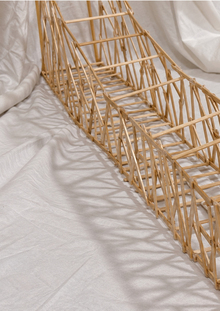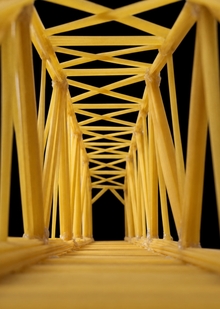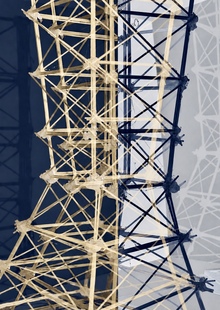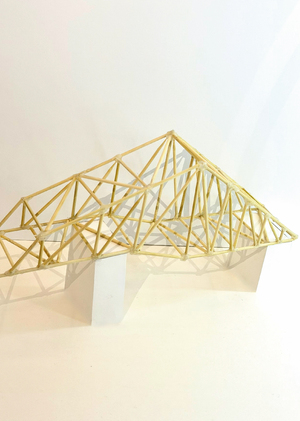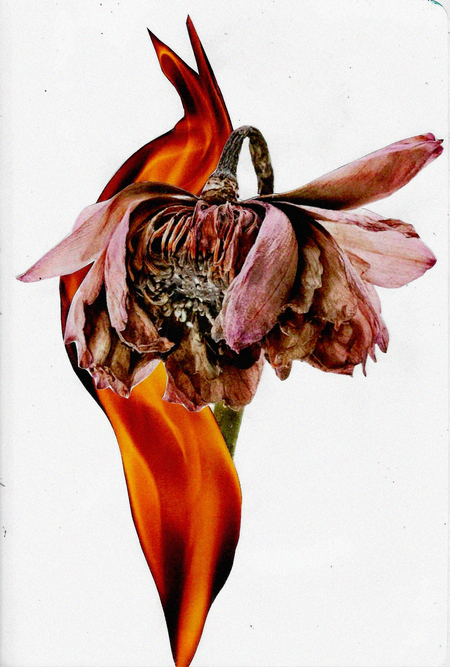
Creating delicate porcelain involves numerous firing stages, some of which can last longer than a day. Thus, it embodies opposing forces—fragility and rigidity. The project’s goal is to illustrate the dichotomy and duality of porcelain objects, which are both fragile and resilient.
Historical Overview
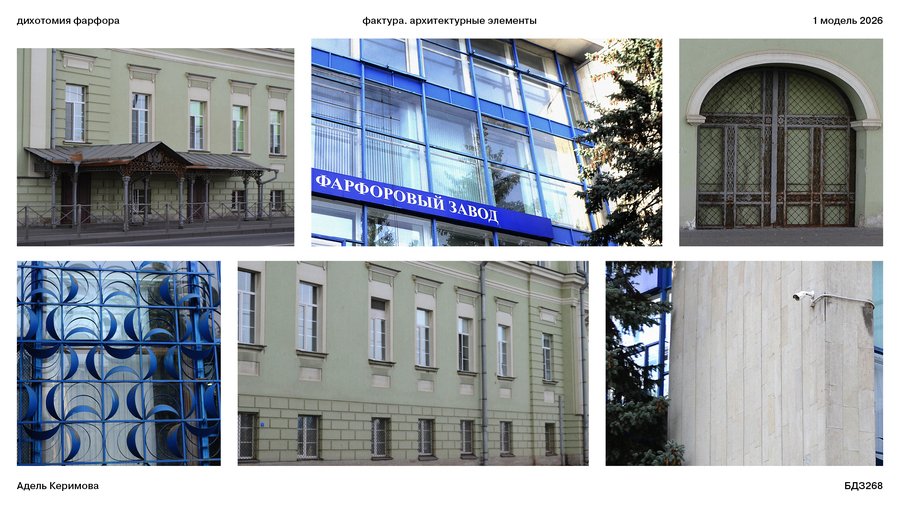
The history of the Imperial Porcelain Factory begins in 1744. Since then, the factory building has undergone constant changes, making its architecture eclectic.The IPF integrates three entirely different styles—Classicism, Soviet Modernism, and Industrial Functionalism. Thus, the exterior of the factory resembles a collage—it appears unnatural, absurd, and causes confusion. The main facade recalls history, the past, court feasts, and all kinds of pastries. These associations lead to thoughts of porcelain—a symbol of luxury.Porcelain, like Classicism, is strict and strives for an ideal. Errors are unacceptable in production; the slightest slip is considered a defect. Most defective pieces are sent to the kiln.The modernist building, with its massiveness, resonates with the meticulous process of porcelain manufacturing. It consists of numerous stages with a constant return to the kiln—sometimes a piece requires a full day to bake.The architecture of the IPF mirrors the process and the result of porcelain production. The classical facade represents the ideal outcome—the porcelain piece—while the modernist element embodies the rigorous process of its creation.
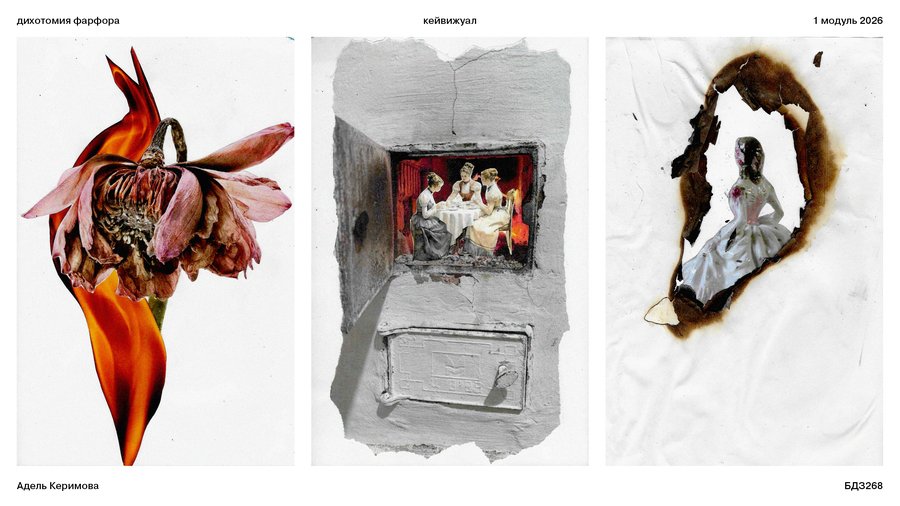
visual image—illustration