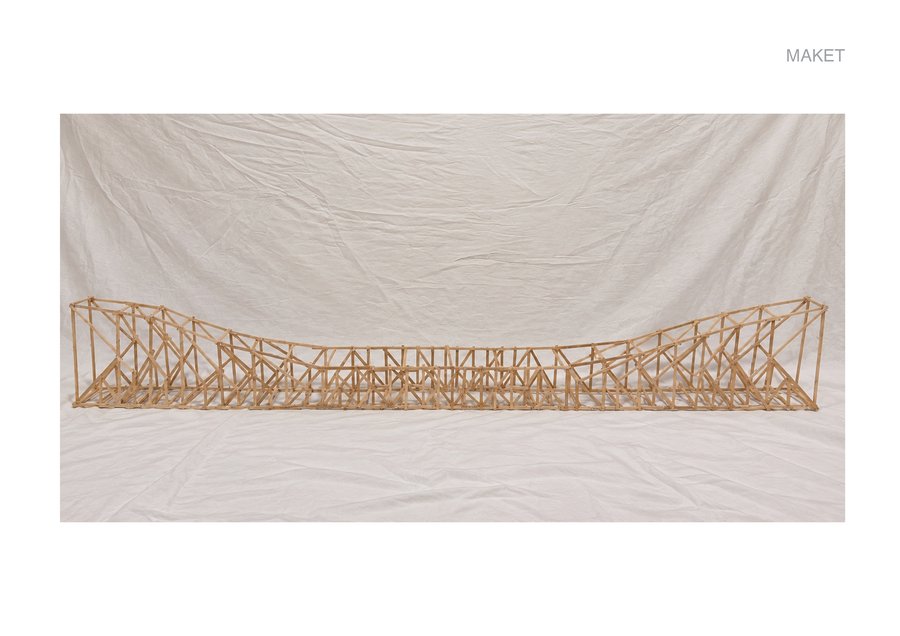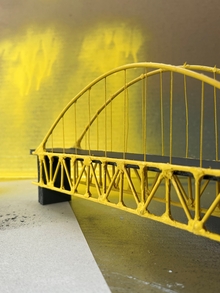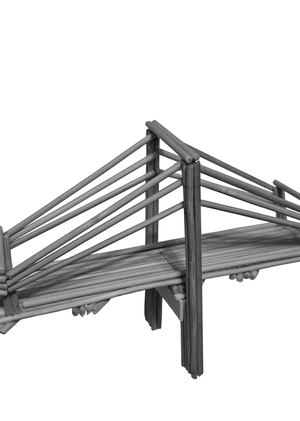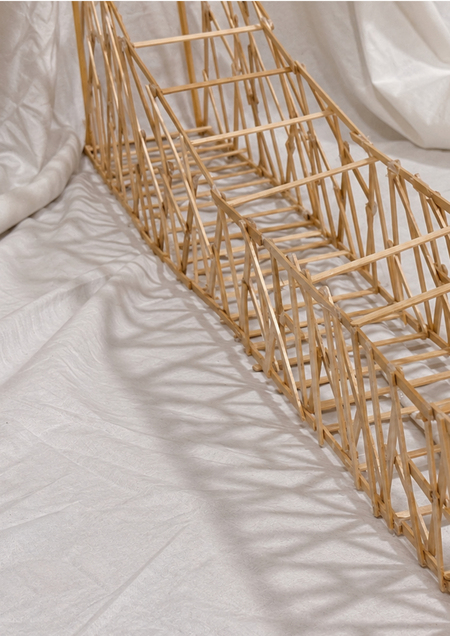
HOWRAH BRIDGE Calcutta — Haurah, India. 1943.
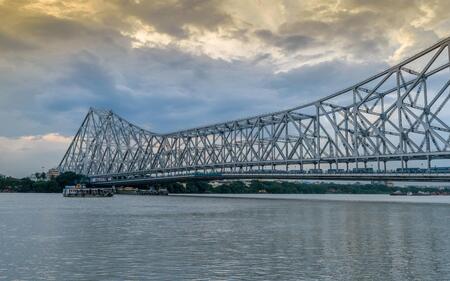
Structural Feature: The bridge spanning the Hooghly River is a steel cantilever-truss structure with a main span of 457 meters. The main supports are situated along the banks, which keeps the river channel free for navigation.
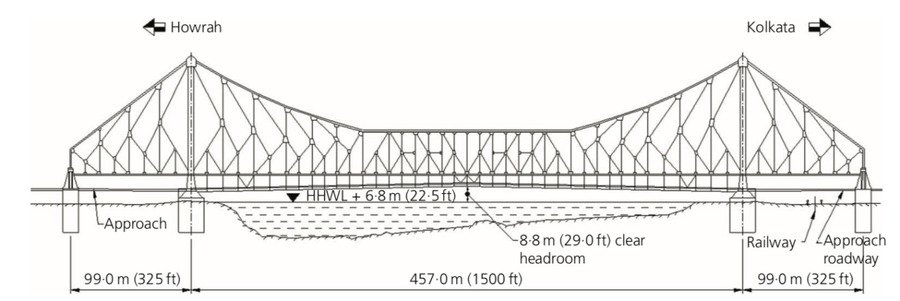
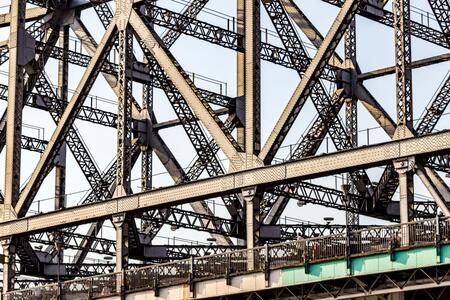
Geometry and ClassificationTruss Form: polygonal, variable-height, with sections of parallel chords.Lattice Type: lattice truss, featuring triangular elements that form a rigid support system. The lattice is composed of a system of columns and diagonals.Static Scheme: a balanced cantilever system with a central suspended section approximately 172 meters long.Structural Principle: The load from the roadway is transferred through suspenders to the main steel trusses. The chords bear the longitudinal forces, while the diagonals and columns redistribute the loads between the nodes. The cantilevers transfer the forces to the abutments and anchorages of the structure.Engineering Solutions:1. The cantilever system allows the river to be spanned without intermediate supports. 2. The triangular lattice prevents the truss from deforming under load. 3. The use of high-strength steel enabled the creation of a long structure with high load-bearing capacity. 4. The steel elements are joined by riveted connections, ensuring the structure functions as a unified whole. 5. The large number of metallic components complicates inspection and necessitates regular anti-corrosion protection.
MODEL