Темы преддипломного визуального исследования
3 темы визуального исследования
Topic 1. The Art of Optical Illusions (Op-Art) from the 1960s to the Present
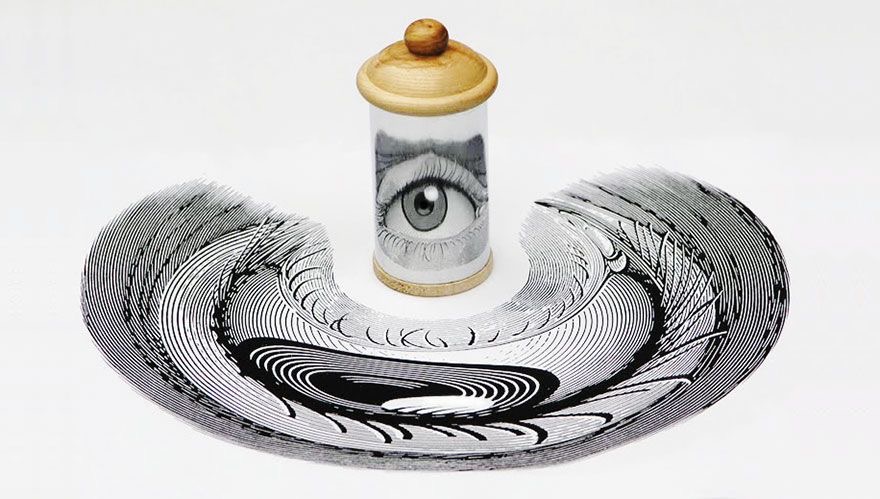
An optical illusion is an error in visual perception, caused by imprecision or inadequacy in the unconscious process of correcting the visual image, as well as by physical factors.
The core of this diploma project is an investigation into optical illusions and methods for transferring them onto fabric and clothing form. Within the scope of the project, geometric patterns, contrasting graphic effects, and principles of perceptual distortion are reinterpreted within the context of modern fashion. The result of this research will be a graduation collection where the dynamic interplay of lines and volumes transforms familiar human proportions, creating the illusion of three-dimensional movement on the fabric surface.
Visual Research Chapters
Introduction
CHAPTER 1. Origins of Optical Illusions: From Classical Painting to the Op-Art Manifesto. An exploration of how past artists utilized perspective and chiaroscuro to trick the eye.
CHAPTER 2. The Anatomy of Perception: The Psychology and Physiology of Visual Deception A scientific and visual analysis of why the human eye believes illusions.
CHAPTER 3. Material Dissonance: Trompe-l'œil and the Simulation of Textures in Art. An investigation into the phenomenon of material «camouflage.»
CHAPTER 4. Rhythm and Modular Construction: The Magic of Infinite Repetition. A visual analysis of the hypnotic effect of repeating patterns in design and architecture.
CHAPTER 5. The Evolution and Transformation of Optical Codes on the Runway (1960s–2020s)
The culmination of this research—the transference of all studied techniques into the world of high fashion.
Conclusion
moodboard
Topic 2. Kinesthetics in Contemporary Art
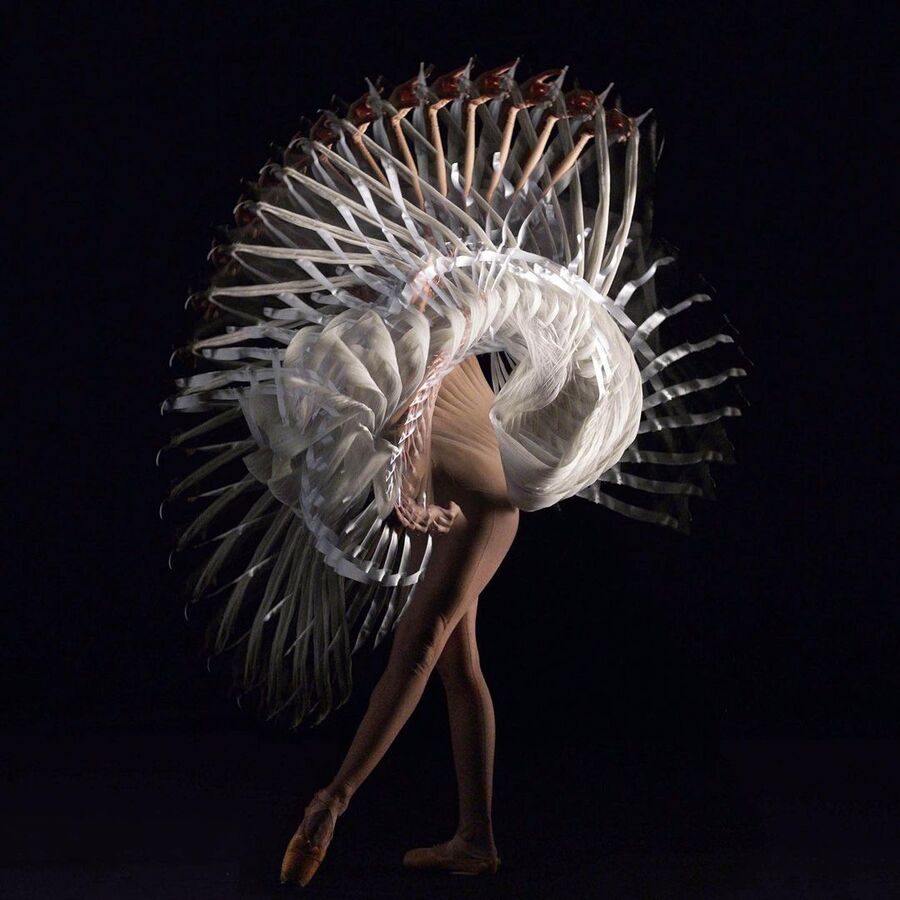
Kinesthesis is a way of perceiving and processing information about the surrounding world through tactile sensations (touch, smell, taste), as well as through movement and body positioning in space. The project examines materials that transform when exposed to human body heat. Special attention is paid to the weight of the garments and their pressure on tactile areas, which allows for a reinterpretation of the physical sensations of wearing clothing.
Chapters of Visual Research
IntroductionCHAPTER 1. Defining Kinesthesis in Art. Formulating how sight activates other senses (touch, balance, muscle sensation).CHAPTER 2. Tactile Vision (Textures) An examination of how high-relief painting, coarse materials, and «rough» surfaces compel the viewer to visually «touch» the artwork with their eyes.CHAPTER 3. Tension and Dynamics (Form): An analysis of frozen movement, gravity, and the deformation of bodies in sculpture that evoke physical empathy in the viewer.CHAPTER 4. Space and Balance (Installations): An exploration of immersive installations (light, scale, floor angle) that physically disorient the viewer and impact their vestibular system.CHAPTER 5. Digital Kinesthesis (VR and Digital): A study of virtual textures (viscosity, weightlessness) and interactive interfaces that simulate physical properties in a digital environment.CHAPTER 6. Kinesthesis in Fashion and Apparel Design (Visual Tactility)Conclusion
moodboard
Topic 3. Artistic Treatment of Metal in 20th Century Modern Art
Metalworking is the process of altering the shape, texture, and properties of metal to create aesthetically expressive and decorative objects. The project investigates the deformation processes of metal surfaces and their chemical reactions under external influences (oxidation, heating, and others) with the goal of transferring metal’s unique visual effects, texture, and chromatic transitions onto garment structures and silhouettes.
Heads of Visual Research
IntroductionCHAPTER 1. Deformation Physics: Plasticity and the «Illusion of Softness.» This chapter examines artists who visually strip metal of its defining characteristic—hardness.CHAPTER 2. Microstructure and Void: Parametrics and Perforation. This chapter explores metal not as a monolith, but as a permeable structure, a mesh, or an algorithm—perforation, laser cutting into weightless lace.CHAPTER 3. The Alchemy of Metal. An analysis of how artists leverage natural chemical processes (oxidation, rust) as an equal creative partner.Chapter 4. Digital Art and Metal 3D Printing. The transition from traditional forging and casting to robotic manufacturing.CHAPTER 5. Metal on Global Runways. This chapter is dedicated to exploring metal as a powerful source of inspiration and a key visual accent in the fashion industry (Paco Rabanne, Mugler, Alexander McQueen, Schiaparelli).Conclusion
Moodboard