Clarity. Cohesion. Cadence.

Milana Sotnikova | Narrative Designer 4 years · Unreal / Unity / Godot Open to full-time and collaborationWorld-building, character development, dialogue, quest structuring, in-game text, narrative, and game documentation.
I create a narrative that supports gameplay, rather than competing with it.
Clear goals, meaningful clues, and choices that matter. I work with your systems—not against them.Below are three case studies, each illustrating the problem, the proposed idea, and the final result.
CASE I: PETALFALL
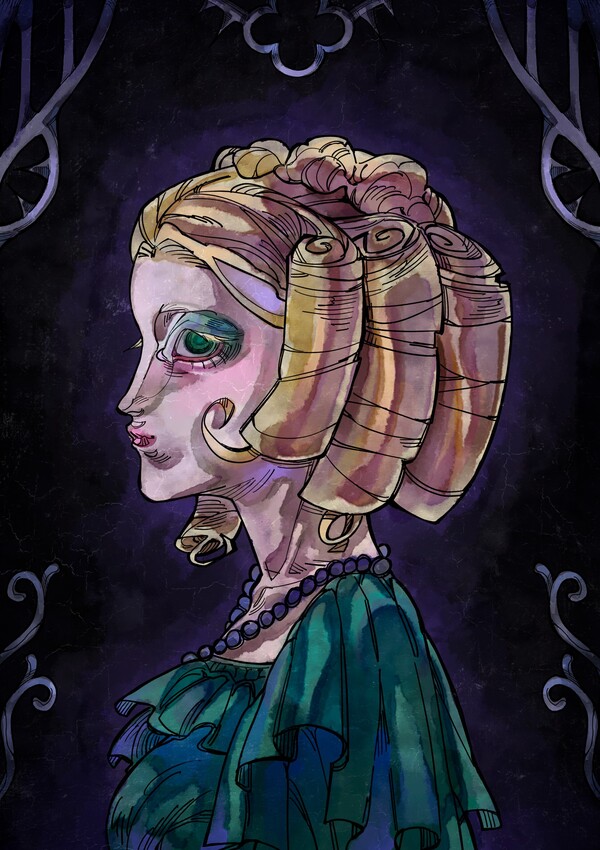
Team: 9 members Development: 10 months Engine: Unity Outcome: 30-minute playable prototype, showcased at the Horizon of Indie Cultures Festival (2026).Petalfall is a dark 2D florist simulator set in the Victorian era. You inherit the family’s business—and a terrible curse that comes with it. The flowers you grow are not just beautiful; they are mortally dangerous. With them, you decide the fates of your clients—and your own.
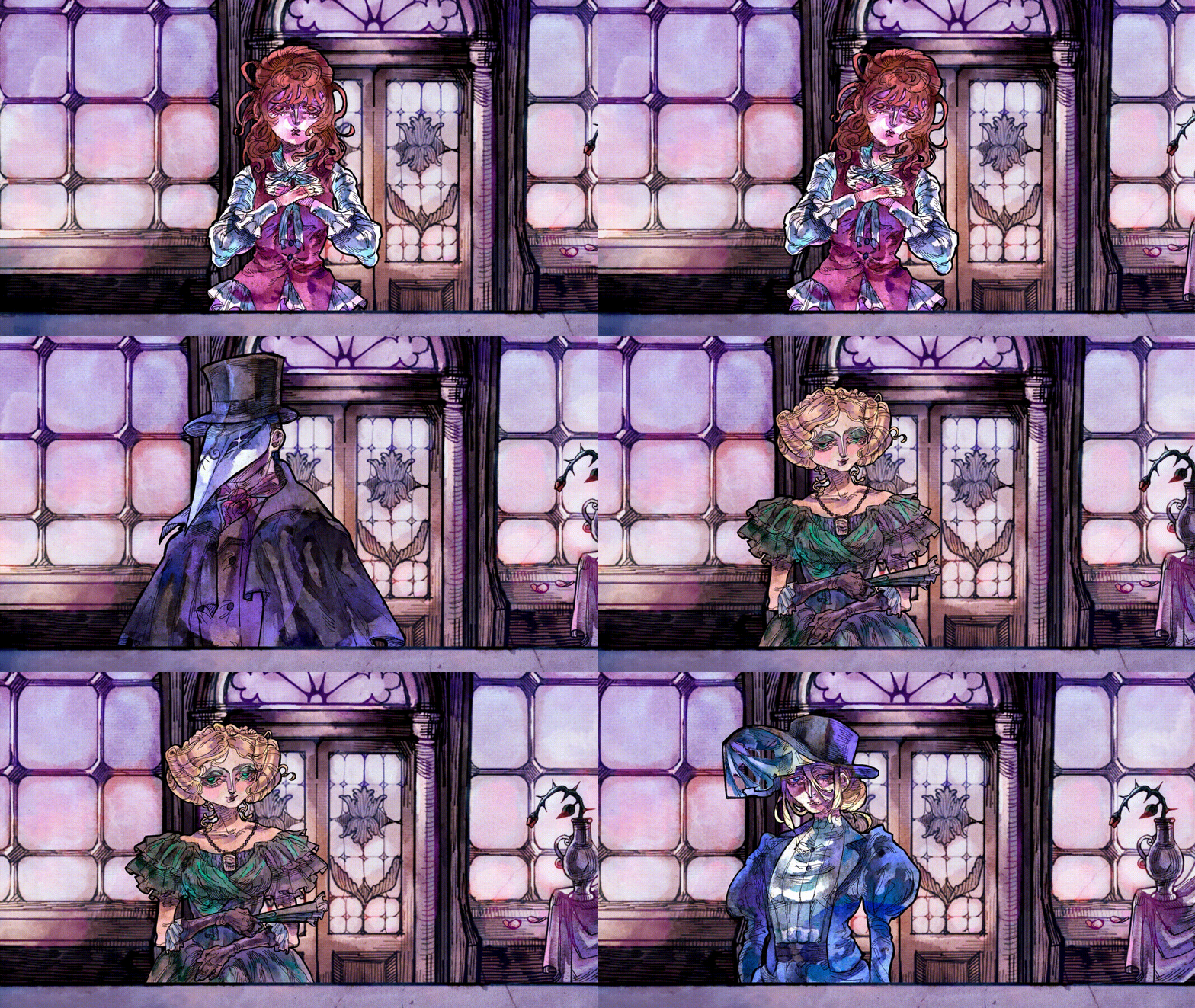
PROBLEM: How to tell a story when space is limited?
Presenting the full narrative of each character within the game is constrained by the dialogue window size, a thirty-minute time limit for the entire experience, and the players' inherent desire to engage rather than read.Concept: if the player cannot read everything, allow them to infer.
THE CHANGE
Before: 463 symbols«Good day. You are Mr. Petalfall, aren’t you? It’s a pleasure to meet you. I am Dr. Edrich Stein; I run a clinic nearby. I’ve heard you have a knack for easing the heavy burden of illness. I must confess, I generally place more trust in pharmaceuticals, but you also use medicinal herbs, don’t you?Let’s see… Salvia officinalis, Matricaria chamomilla… ah! I believe I need a blend that induces a paralyzing sense of tranquility—at a low dosage, mind you.»
After: 305 symbols«Good evening, Mr. Petalfall. It’s a pleasure to meet you. I am Dr. Edrich Stein; I run a clinic nearby. As you are likely aware, an epidemic is sweeping through the city. Please, take care.I see you work with medicinal herbs. I need a bouquet for a patient of mine—they are in such pain they cannot sleep.»
Result: Leaving the details of the events open to the players' interpretation encourages speculation, elevating the level of interest. Shorter text allows the game to remain a game, rather than turning into a digital novel, and keeps the players' attention sharp.Playtest evidence: Players expressed interest in replaying to see the other outcomes of the characters' stories.
CASE II: BLOOD FOR LOVE
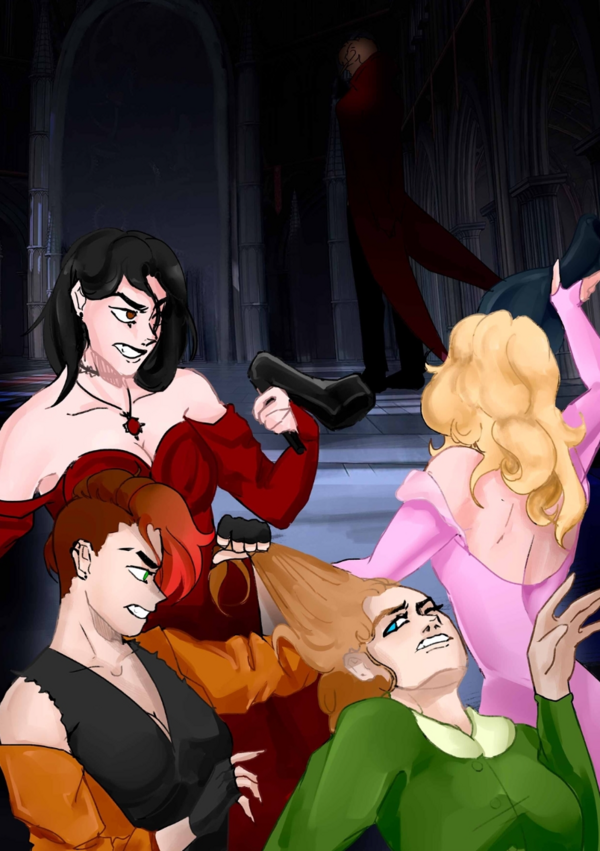
Team: 3 members Development: finished Outcome: a tabletop game currently in production.Blood for Love is a tabletop game for four players where they assume the role of princesses pursuing love, wealth, and eternal life.In the dark mansion of an enviable blood-sucking suitor, the four ladies must endure pain and disgrace in their quest for the heart of the vampire prince.
PROBLEM: How to make a card game more engaging when the gameplay itself is solid?
Despite the well-balanced gameplay that encourages long-term planning, careful consideration of every turn, and the use of purposefully underhanded tactics, the game doesn’t feel engaging enough to entice people to play repeatedly.
Idea: Lean into the sarcastic narrative and add short, funny one-liners to each card in the game.
THE CHANGE
Before: «All rivals in the zone are injured. Move to another zone».After: «Bibbidi-bobbidi-BANG! All rivals in the zone are injured. Move to another zone».
Before: «Take a gossip card for any rival. Pull another card.»After: «Sweetie, that’s EMBARRASSING! Take a gossip card for any rival. Pull another card.»
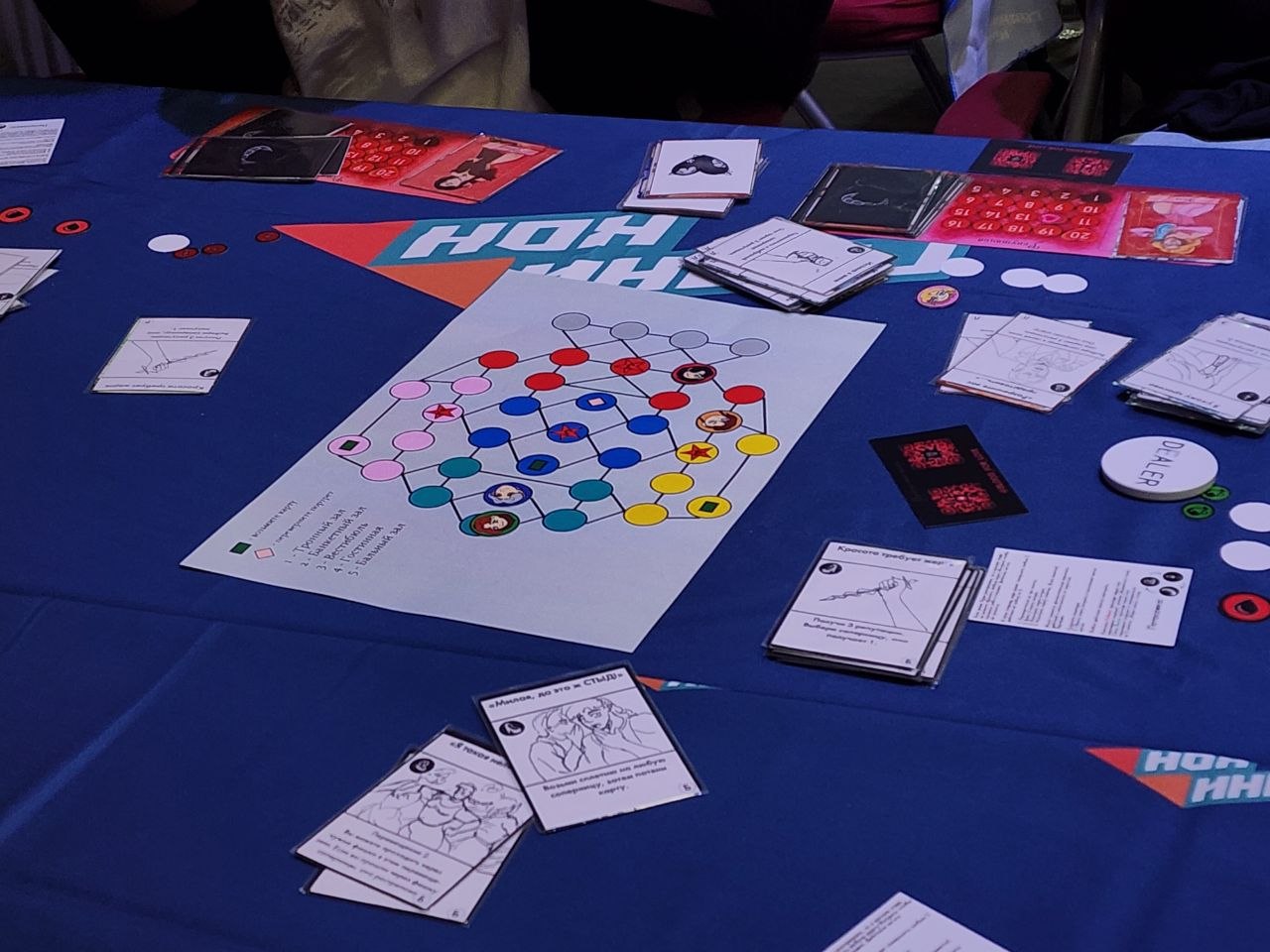
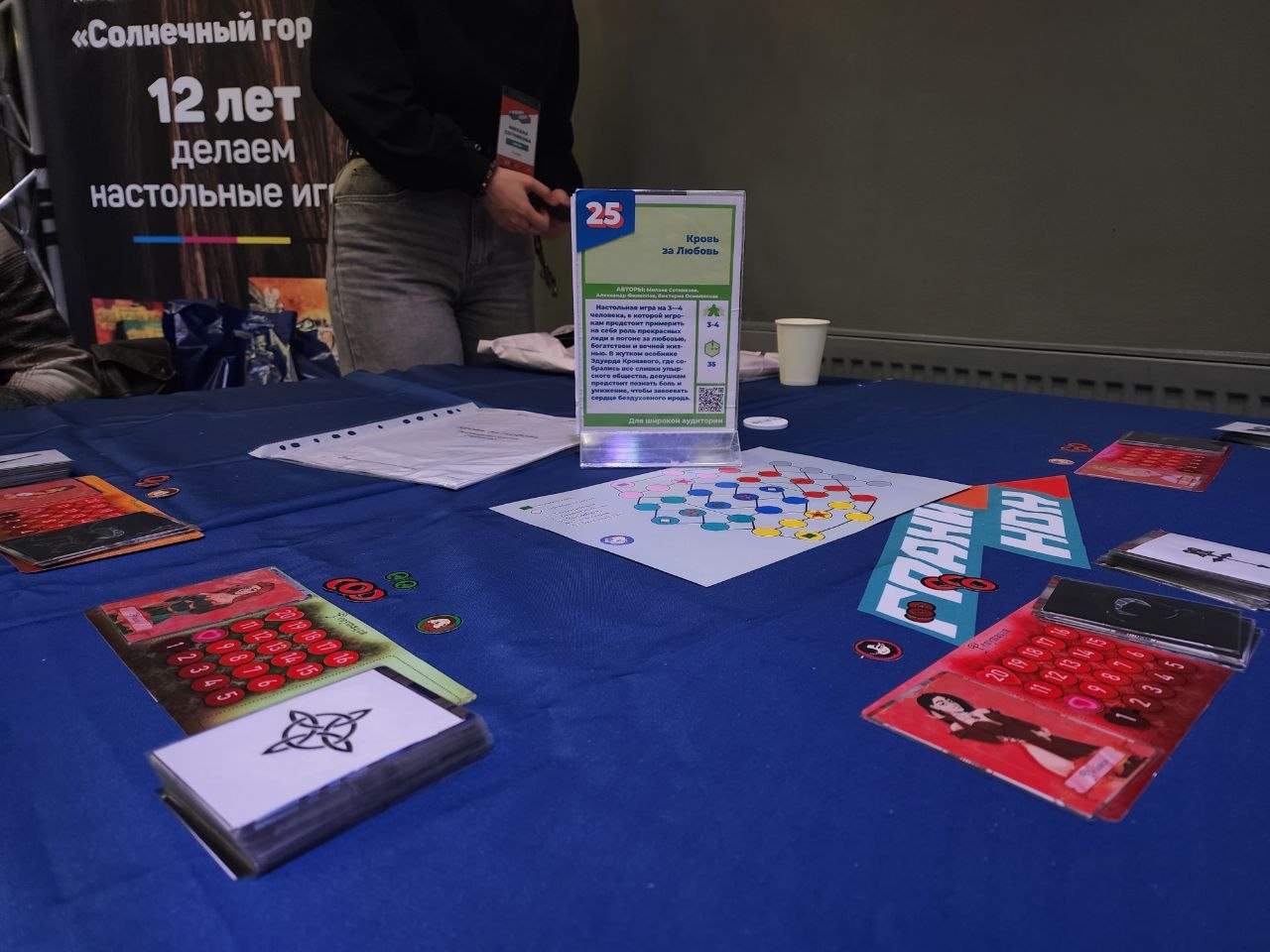
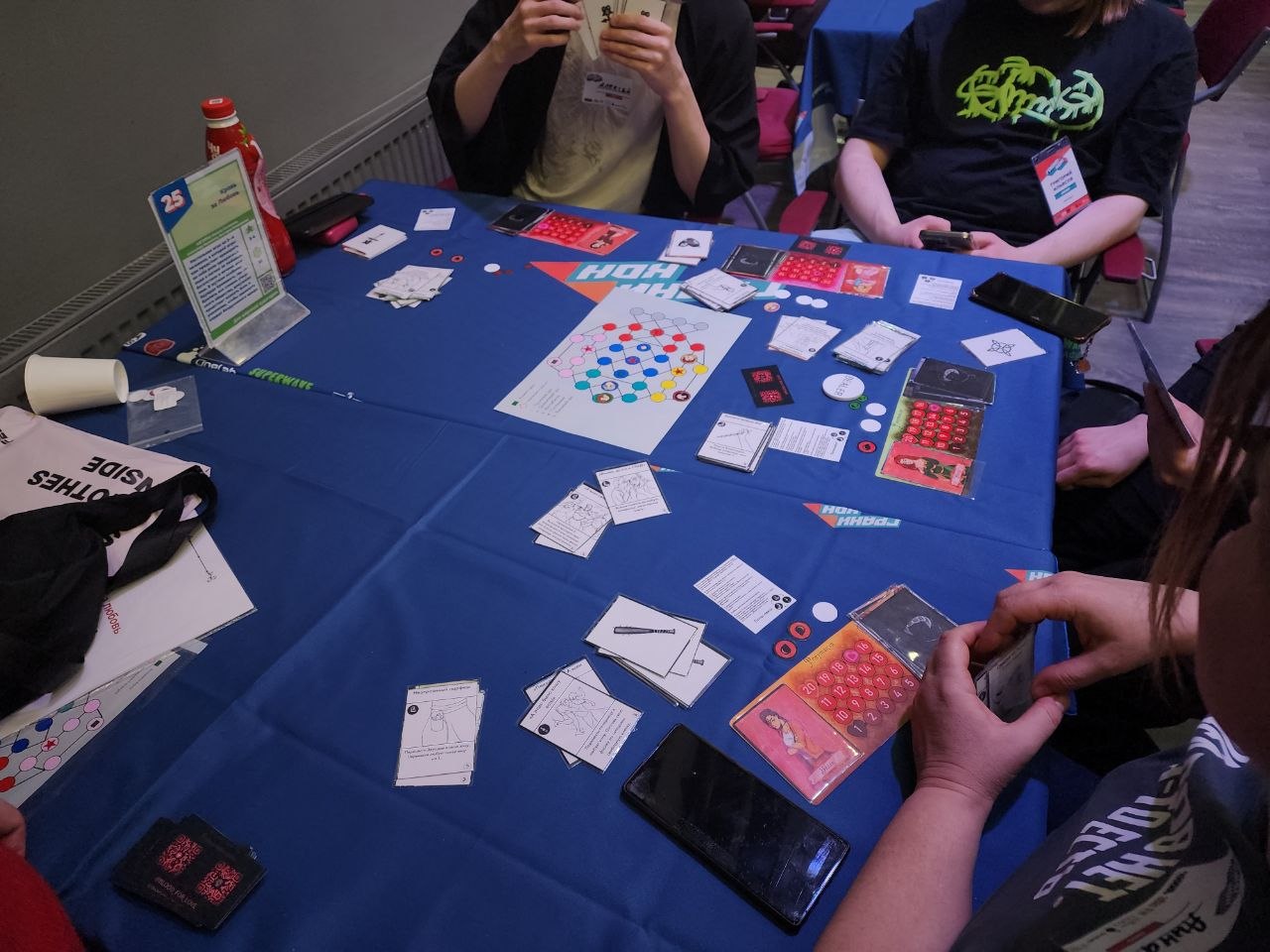
Result: The game garnered a humorous flair, transforming each session into challenging yet enjoyable battles among friends and effectively easing the tension that arose from intensive strategizing.Playtests: Playtesting groups not only enjoyed their first session but actively requested replays. «The game is as fun and engaging as it is demanding of brainpower.»Blood for Love was showcased at Granikon (2026) and is currently in production.
CASE III: PROJECT MIST
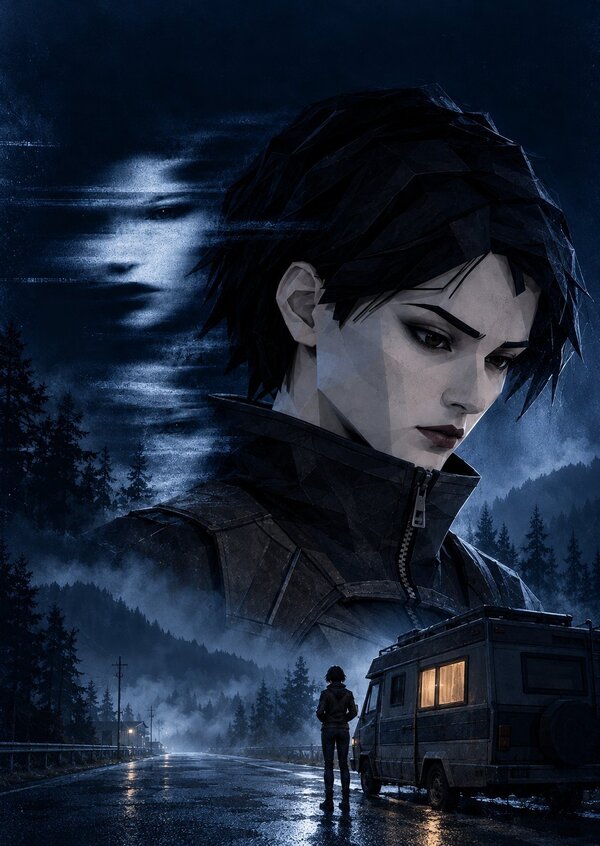
Team: 2 members Development: October — ongoing Engine: Godot Stage: productionProject MIST is a 3D first-person paranormal investigation simulator. Two heroes—a lost detective completely oblivious to the paranormal and a burned-out psychic—explore and investigate paranormal manifestations. She opens the door to the unknown; he gathers the evidence. Together, they uncover the truth.
MY ROLE