Small-Run Publications Festival: The History of Independent Print—From Soviet Samizdat to Contemporary Limited Editions Printed in Runs Under 1,000 Copies.
Fewer than a thousand copies
Under the law «On Mass Media,» periodic publications with a circulation of fewer than one thousand copies do not need to be registered as mass media. Within this scope exists an entire culture: journals that editors produce themselves, print at their own expense or with reader funds, and sell hand-to-hand.
Algorithms push us toward constantly refreshing our feeds, and clip thinking is becoming the primary way we perceive information. Paper provides that space and allows us to linger within it.
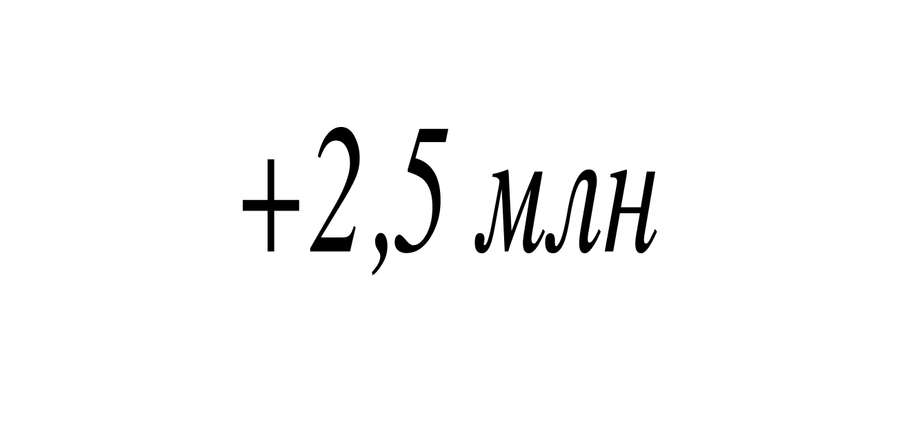
The audience for print publications in Russia grew this significantly in 2025, according to data from the Union of Printing Industry Enterprises and Rambler&Co.
This culture has a long history. It began with Soviet samizdat—samizdat printed on a typewriter and passed by hand—almost disappearing in the 2000s when glossy magazines supplanted independent periodicals, before resurfacing in the mid-2010s. New magazines appear every year, many of which are created by students and graduates from design schools: for instance, the almanac «Shilo» evolved from a design school thesis project at the HSE Art and Design School.
Problem
Currently, there are very few venues where people can discover small-run publications. Zine fests are often short, two-day markets where attendees can purchase an issue but do not immerse themselves in the context or culture. Over the past few years, the pathways for distributing independent periodicals have narrowed. The physical encounter between the publisher and the reader has become rare, and for publications of this type, that encounter is their fundamental mode of existence.
Target Audience
1. Publishers
Editors of small-run magazines and micro-publishers. They need a platform for sales and engagement with readers.
2. Readers
Individuals who intentionally choose physical books and independent printing, and purchase them at independent bookstores.
3. Creative Community
Designers, illustrators, and authors who wish to self-publish. For them, the festival serves as a benchmark and a community hub.
4. Cultural Leisure Audience
The «Tirazh» Festival
We are co-creating a festival with the team behind the documentary film «Print Run 999.» The film explores modern small-run publications in Russia, including moloko plus, «Fronde,» «Shilo,» «Kompost Cooperative,» «Process,» Local, and «Drobi.» The «Print Run 999» project was conceived as an educational endeavor, and the festival continues this mission: it takes the conversation about independent printing from the screen into a physical space where attendees can meet publishers and hold the magazines in their hands.
1. Lectures on Soviet samizdat and lectures on this topic in modern realities (an author’s lecture by a publisher)
2. Market
3. Exhibition of Soviet samizdat
4. Documentary film screening
5. Master class with a printing press
Everyone has Zines. Nobody has magazines.
Success
Holding a full-scale event featuring all planned activities: generating virality for limited-run publications, selling their merchandise, and increasing interest in contemporary periodicals, cultural context, and our history.
What You Need to Succeed
1. Organizer
2. Venue (equipped for film screenings and presentations, preferably one that operates on a percentage of sales)
3. 50,000 RUB for merch printing
What is available
1. Established contacts and relationships with virtually all invited guests. 2. A team of helpers/proactive individuals ready to assist with both organization and during the festival itself.