Concept
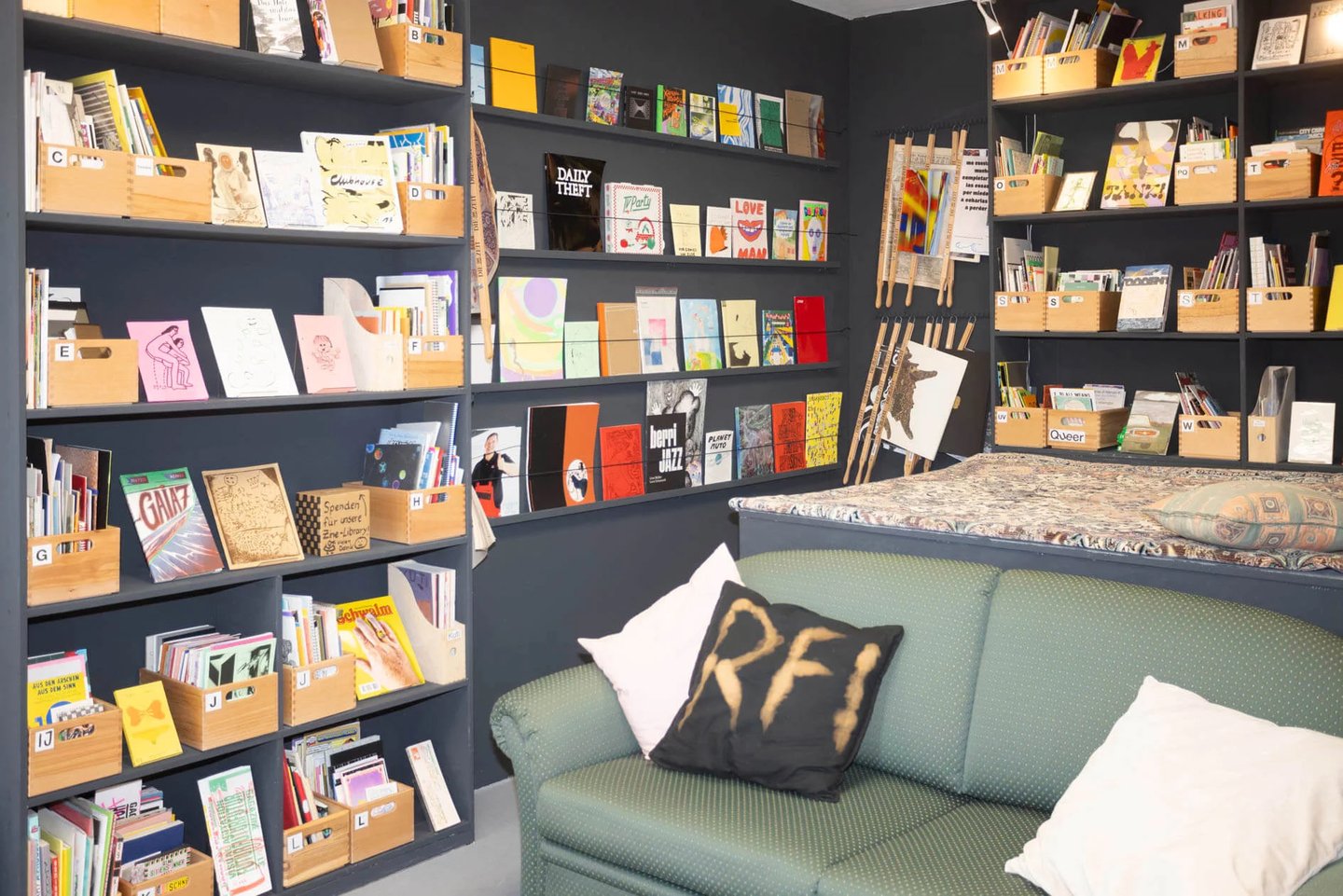
SEQUENCE — media exploring photozines as a unique form of visual storytelling. The photozine is conceived here as an author-driven photo book, where the photographs, layout, design, and material all collaborate to tell a story.
The primary goal of SEQUENCE is to establish the photobook as an independent cultural category and to illustrate the entire creation process of a publication—from concept and shoots to layout, printing, and distribution. The media is aimed at a broad audience: from newcomers who want to understand what a photobook is, to professional photographers, designers, and publishers interested in the nuances of creating independent, auteur books.
Data Sources for Media
To create relevant and engaging content, the media utilizes several groups of data sources.
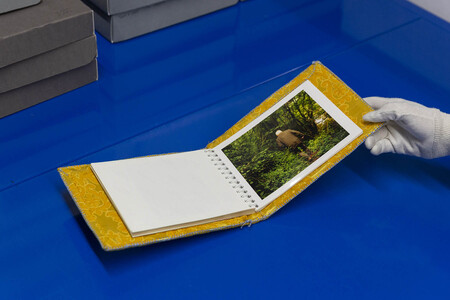
Platforms for Finding Photozines and Visual References Pinterest—a search engine for visual references, covers, spreads, layout ideas, color schemes, and thematic collections from photozines.Dirty Little Library—an online library of independent zines created by photographers from around the world. You can study the covers, authors, themes, color palettes, and publication formats.Personal Work—a journal dedicated to personal photographic projects, featuring work from photographers, artists, and photo book authors.Singular Papers—a platform for independent books, photozines, and experimental print publications by artists and small presses.
These are used to search for visual directions, artists, themes, and examples of original work using photography. They help to identify recurring motifs and find new projects to include in the SEQUENCE database.

Publishing Houses and Independent Creator ProjectsMACK — an independent publisher specializing in photobooks and art publications. It is a resource for studying authors, project titles, publishing series, and book design.Loose Joints — a publisher of photobooks and visual projects by contemporary photographers and artists.KULT BOOKS — an independent publishing project that releases monographs and books by artists working with photography and other visual media.Brown Owl Press — an independent publisher of photobooks and zines focused on narrative photographic projects.Drittel Books — a Berlin-based publisher of photographic books. The catalog features specific editions with information on page count, photographs, format, print run, and ISBN.
These are used to search for authors and publications, to study publishing approaches, formats, themes, and methods of organizing photographic material. These catalogs help in creating photobook entries and establishing connections between authors, publishers, and projects.

Photo Book Archives, Libraries, and CatalogsMartin Parr Foundation — The Foundation Library — a library catalog featuring over 6,000 photo books. It includes keyword search functionality, allowing you to find publications by theme or subject matter.Photo Museum Ireland — Library Archive — an archive of photographic publications that includes photo books, zines, artist monographs, and self-published works.Raum für Illustration — Zine Library — a library containing approximately 1,900 zines and art books from various countries. The collection encompasses photography, illustration, design, and comics.Library of Congress — Zine Collections — a guide to the Zine Collections at the Library of Congress and methods for searching independent print publications.Digital Archive of Artists’ Publishing — a digital archive of independent artistic publications and artist books.
These are used to locate existing publications, verify bibliographic information, study the history of independent publishing, and enrich the database with reliable data. Archives are particularly valuable for finding rare and self-published works that are not always listed in the catalogs of major publishing houses.
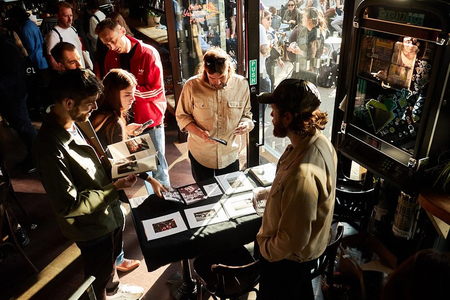
Independent Publishing Stores, Platforms, and CommunitiesPhotobookstore — a specialized photobook shop that allows you to browse inventory and find publications from various authors and publishers.Bildband Berlin — an independent bookstore specializing in photobooks. Its catalog features both major publishers and small, independent, and author-driven projects.Artbook Society — a directory of independent publishers, artists, and small print projects. It helps users discover new publishers and their publications.The Photobook Cafe — a resource for self-publishing photobooks; it contains a database of independent publishers, small studios, and photozine authors.Charcoal Book Club — a book community and collection of photobooks associated with Charcoal Press publishing.
Used to discover new publications, study independent publishing projects, and track relevant authors. They help expand the SEQUENCE database beyond the most well-known publishers and find small-run and author-driven publications.
Data Processing Flowchart
The SEQUENCE project utilizes two complementary types of data processing—machine-driven and human-driven. This division allows for the automation of searching and organizing information about photo essays and photobooks while preserving the author’s approach to selecting visual materials, interpreting them, and establishing thematic connections.
Machine processing includes:· Gathering and systematizing information on photozines, photobooks, authors, photographers, artists, and independent publishers from specialized websites, catalogs, libraries, archives, and platforms.· Extracting key publication metadata: titles, author names, year of publication, publisher, place of publication, page count, format, print run, ISBN, and other available characteristics.· Sorting publications by category: photozines, photobooks, authorial editions, independent publications, thematic series, and experimental formats.· Systematizing visual characteristics: color schemes, composition, typography, image sequence, materials, printing methods, and binding.· Collecting and saving visual references: covers, spreads, individual pages, and photographic series, along with source and author attribution.· Automatically classifying materials by theme, visual features, genre, and other specified parameters using image and text analysis algorithms.· Searching for duplicate publications and identifying connections between authors, publishers, series, and individual projects.· Updating the database and verifying the availability of links to primary sources.· Utilizing AI for preliminary publication descriptions, highlighting key themes, creating thematic selections, and searching for potential visual connections.
Human processing involves:· Selecting the most compelling photozines and photobooks with consideration for the SEQUENCE concept.· Evaluating the artistic and visual merit of the publications, assessing their originality and expressiveness.· Analyzing the sequence of images, composition, rhythm, color combinations, and the interaction of photographs within the publication.· Studying the nuances of the author’s approach: narrative techniques, the use of archival material, and documentary versus staged photography.· Interpreting the discovered visual solutions and identifying potential connections between different publications.· Verifying and refining information regarding authors, publishers, release dates, and publication characteristics using primary sources.· Editing automated descriptions and categories, correcting errors, and clarifying incomplete data.· Developing thematic collections, visual research projects, and original materials based on the collected information.· Making decisions on including publications in the database and guiding the further development of the project.
The Principle of Separation: machine processing handles the search, collection, extraction, systematization, and preliminary analysis of information, while the human element is responsible for editorial selection, artistic judgment, interpretation of visual material, and ensuring publications align with the SEQUENCE concept. Automated algorithms assist in pattern detection but do not replace the author’s comprehension of visual language.
Data Processing Sequence
Data Collection. The system gathers information about photo essays and photobooks from publishers' websites, libraries, archives, specialized platforms, and authors' pages.
Machine Processing. Data is transferred into a central database, metadata is extracted, categories and visual features are identified, and duplicates and connections between publications are revealed.
Editorial Selection. A human reviews the information and selects materials that align with the SEQUENCE concept.
Analysis and Classification. The composition, image sequence, rhythm, color, typography, and format of the publications are studied. Algorithms assist in grouping materials, and the editorial team refines the results.
Content Generation. Based on the collected data, thematic collections, visual studies, and comparative materials are created.
Publication and Database Update. The results are posted to SEQUENCE, the database is supplemented with new materials, and links and information are verified.
Results Analysis. The completeness of the database, the accuracy of the classification, and search usability are evaluated, after which necessary improvements are implemented.
Automated services in media workflows
- Airtable — cataloging photobooks and photozines. It serves as the project’s primary database. Here, one can combine records for publications, authors, and publishers, logging the title, year of release, format, page count, print run, ISBN, theme, and links to original sources. This capability allows for linking publications to one another and quickly retrieving materials based on specific parameters.2. Pinterest — visual research. It is used to search for covers, spreads, experimental layouts, color palettes, and examples of sequencing photographs. Found images are saved in thematic collections and utilized as references when analyzing the visual language of photobooks.3. Apify — automated data collection. This tool helps gather public information from publisher websites, bookstores, and catalogs: publication titles, author names, descriptions, publication dates, and links. The collected data can be transferred to the Airtable catalog for further verification and systematization. Data collection is performed while adhering to site rules and information accessibility.4. Make — service integration and process automation. It is used to configure connections between various tools—for example, to push gathered data into Airtable, create new records, and notify the editorial team when new materials arrive. This significantly reduces repetitive manual tasks.5. ChatGPT — information processing and analysis. It assists in drafting preliminary publication descriptions, identifying key themes, grouping publications by common traits, and preparing text drafts. It can also be used to analyze visual materials, although artistic interpretation, fact-checking, and final selection remain the responsibility of the editorial team.6. Figma — visual system design for the project. It is used to design the layout for photobook records, thematic collections, collages, and visual research. Figma allows for developing page mockups while maintaining a cohesive graphic style for SEQUENCE.7. Google Analytics — project engagement assessment. This service helps track website traffic, the popularity of individual pieces, traffic sources, and audience behavior. These metrics allow us to evaluate which topics and publication formats generate the most interest.
Guidelines for Automated Services
Guidelines for Using Automated SEQUENCE Tools1. Verify the information. Details regarding publications, authors, and publishers must be cross-referenced with reliable sources.2. Do not invent facts. If the year, print run, or format of a photobook is unknown, it is better to leave the field blank.3. Keep materials grouped together. Found editions, descriptions, and links should be added to the project’s central database.4. Review AI output. Neural networks can assist with text and idea generation, but the editor must verify all results.5. Respect copyright. When using photographs and spreads, authors and sources must be cited, and permission must be obtained where necessary.6. Maintain an authorial approach. Automation helps organize materials, but a human must assess the visual language and specific qualities of the publication.
Final media workflow model
SEQUENCE integrates automated information retrieval with manual editorial work. The services help locate photobooks and photozines, gather details about authors and publishers, maintain a comprehensive database, and save visual references. The person selects interesting publications, studies their composition, color, rhythm, and design, verifies the information, and prepares the publications.
The core principle is that technology simplifies search and systematization, while the individual is responsible for analysis, original perspective, and the content of the SEQUENCE.