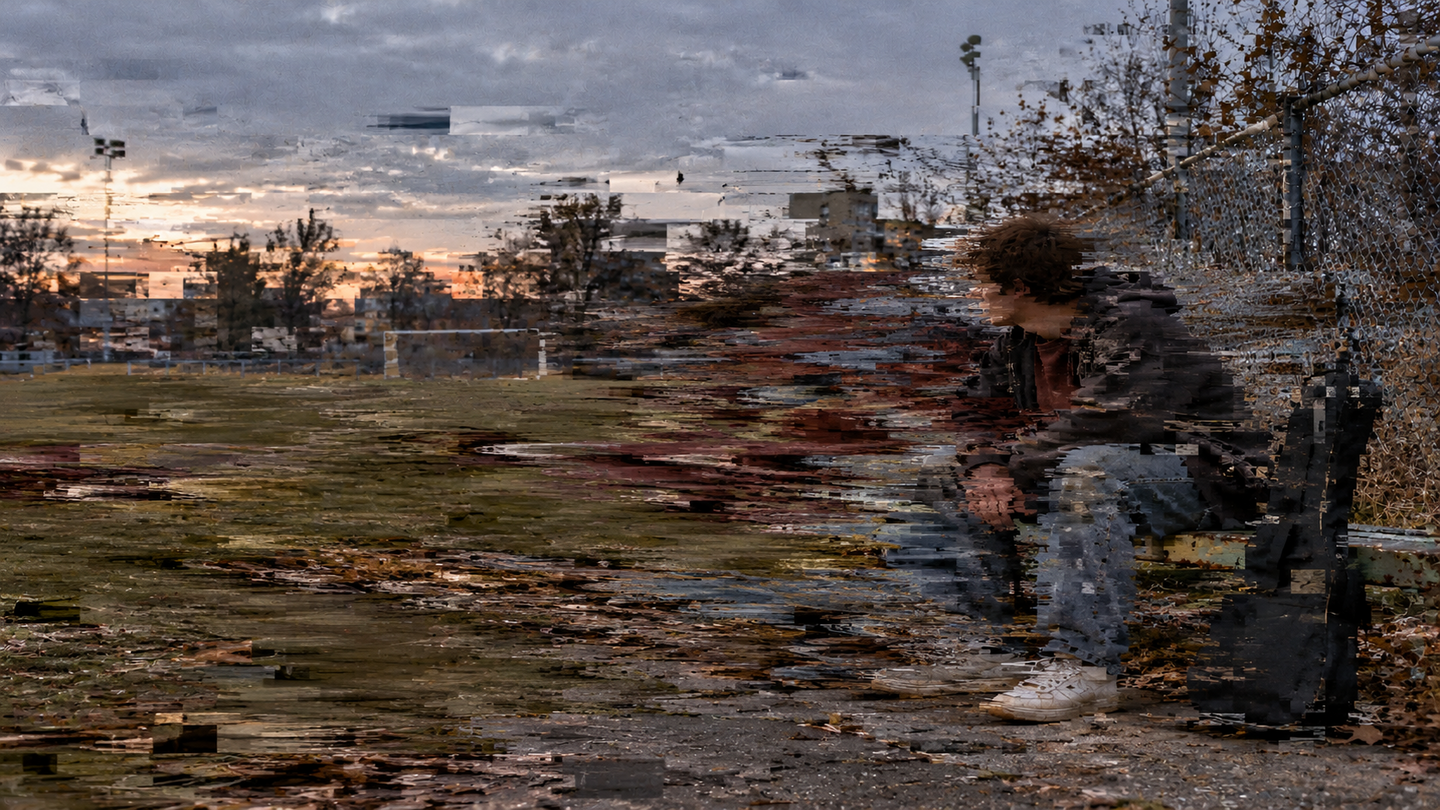
Опять футаж сломался…
А если посмотреть на это иначе?
What if we keep this shot?
И использовать «сломанность» как эффект
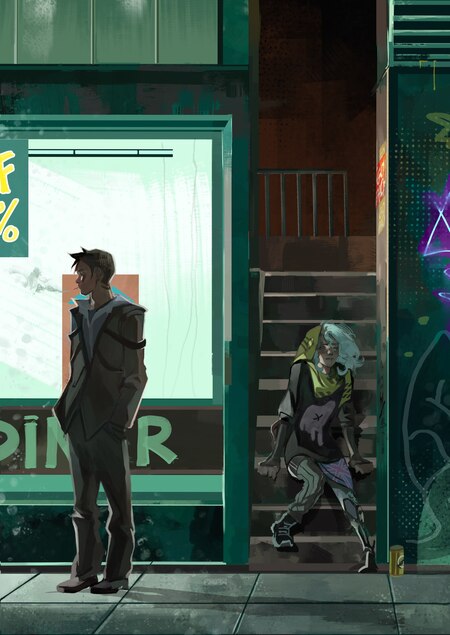
At first glance, the video appears obviously damaged—the silhouette is dissolving, the background is showing through the clothing, and part of the image is stretching with the movement. Usually, such a clip would be sent for reshooting.
What interests me is the moment when something expressive arises from this glitch. The person is still recognizable, but the space around them has already changed, and I want to see what happens next.
This interest gives rise to «Midwest»
For my thesis, I am creating a music video for the song by the band «Brave Little Toaster.» It is based on working with datamoshing and transitions where images blend and lose their familiar outlines.
I want to structure the clip so that the viewer gradually becomes accustomed to its world, only to then notice how that world begins to behave strangely. At first, the changes are barely perceptible, but over time, they affect everything happening in the frame.
But a beautiful glitch won’t last long
An unconventional transition can capture attention, but constant repetition quickly causes the viewer to become accustomed to it. Therefore, the work on the clip begins with the question:
How to develop the image throughout the entire song?
I want to alternate calm scenes with fragments where the form becomes unstable. I also want to incorporate other effects. The viewer needs enough time to register the person, remember the gesture or the space, so that their subsequent change feels significant.
Let music decide
When analyzing «Midwest, ” I will identify repetitions, changes in sonic density, and transitions between compositional sections. These elements will help determine scene durations and moments where the image should remain sharp or begin to dissolve.
The return of a musical phrase might be accompanied by a familiar shot, which now appears different. In another sequence, the change will begin almost imperceptibly and continue across several cuts. I will verify these connections in the animatic before moving on to final production.
Imagine one scene:
The character sits on an empty field with a guitar case standing nearby. The camera lingers long enough for us to fully absorb his posture and the surrounding space.
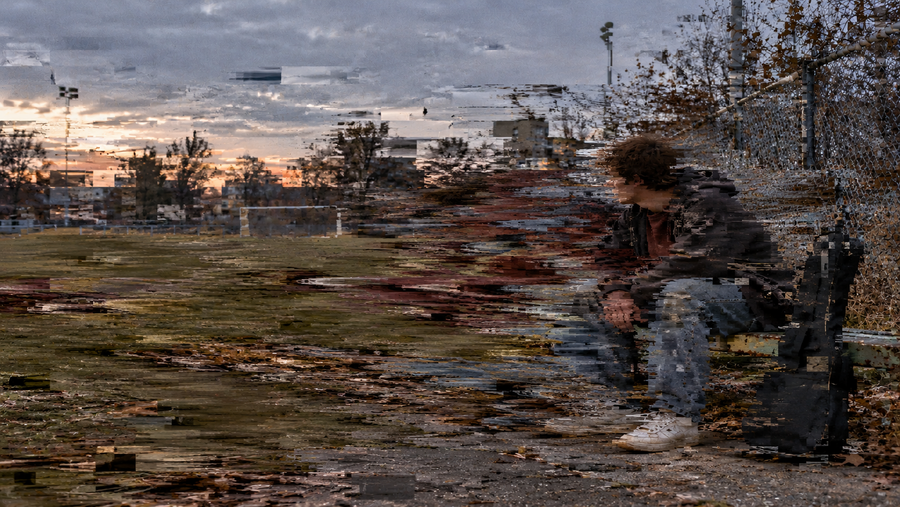
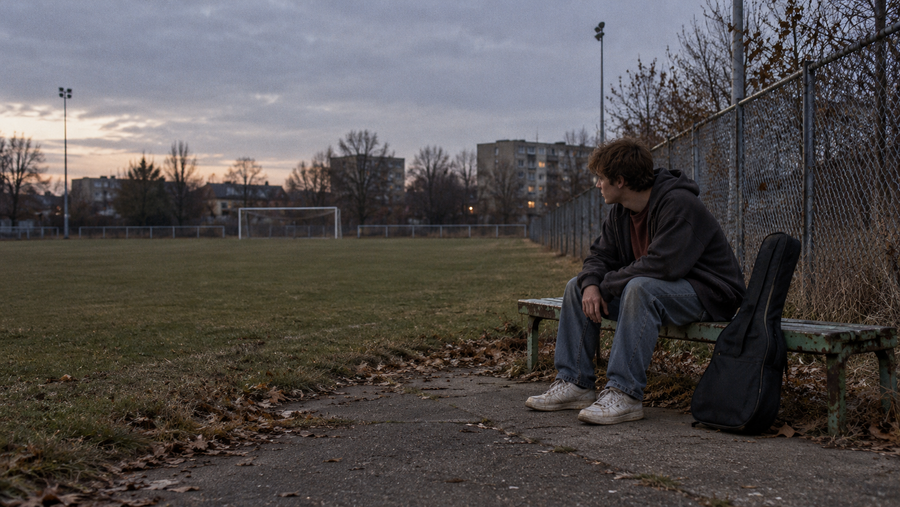
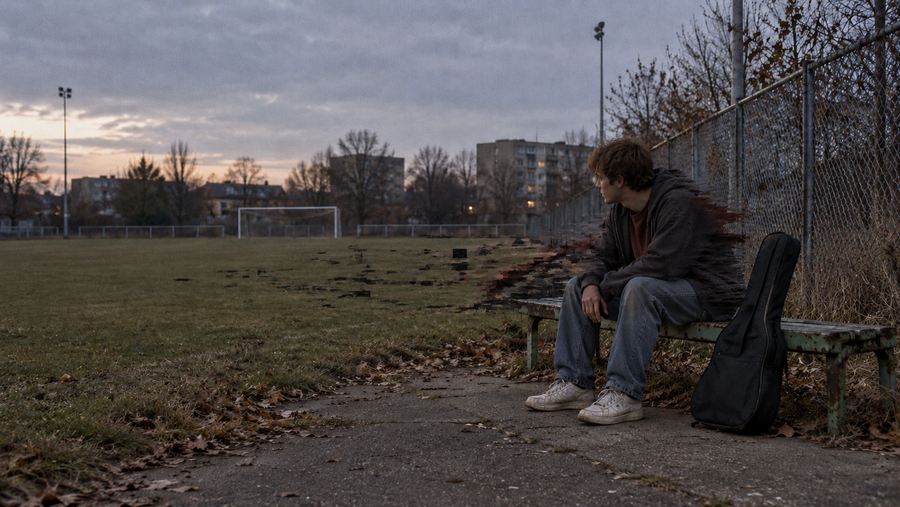
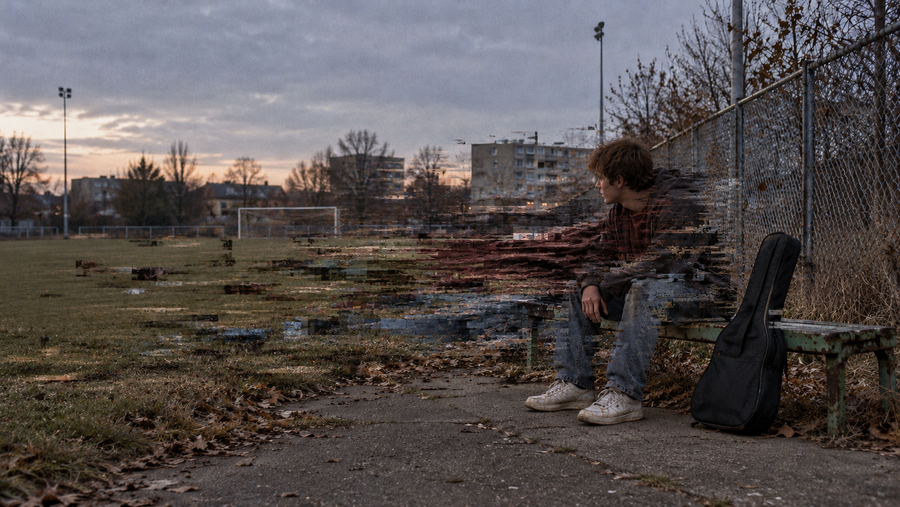
When the image begins to change, we can still trace where each new form originated. Eventually, familiar details blend together so thoroughly that recreating the scene becomes difficult. It is this transition—from recognition to disorientation—that I want to explore in the film.
The result will depend on the source footage.
Character movements, camera angles, clothing textures, and the interplay between adjacent scenes—all of this matters. Therefore, I plan to develop the shooting and post-production process concurrently. Through tests, I will determine which gestures yield a strong impact, which spaces connect compellingly, and how much the image can be transformed while preserving the intended aesthetic. These observations will form the guidelines for assembling the final clip.
What will the final result be?
The main deliverable will be a completed music video for the song «Midwest.» Work on this includes concept development, scripting, storyboarding, animatic creation, source material production, editing, and the design of digital transitions.
Furthermore, materials will be created for the promotional campaign surrounding this release and its visual identity. This includes vertical video teasers, cover art, merchandise, and visual assets for the artist’s profile on music platforms.
Let’s return to the frame from which it all began.
At the beginning of the presentation, it could have been mistaken for a failed fragment. Now, it shows the question I plan to work on.
How to use image degradation to change the perception of a scene and maintain viewer attention?