Navigation Menu
Introduction
Chapter 1. Defining Digital Art
Chapter 2. The History of Digital Art Development
Chapter 3. Main Directions and Genres of Digital Art
Chapter 4. Technologies and Tools for Creating Digital Art
Chapter 5. Characteristics of How Viewers Perceive Digital Art
Chapter 6. Perspectives on the Development of Digital Art
Conclusion
Introduction
The special project, «Digital Art, ” aims to study and analyze the place and role of digital art in the contemporary world—its influence on society and its developmental prospects. We will examine the history of digital art’s emergence and evolution, its main directions and styles, and introduce the work of the most prominent figures in this field. Furthermore, we will focus on the interplay between digital and traditional art, the opportunities and limitations of each, and the prospects for their convergence.
The special project, «Digital Art, ” aims to help us better understand and assess this phenomenon, which is an integral part of contemporary culture and art. We will explore what new opportunities and horizons digital art opens up for us, how it influences our perception of the world, and what challenges it presents. Within the scope of the project, we will also introduce you to various methods and techniques for creating digital works, as well as the most striking examples of digital art.
Chapter 1. Defining Digital Art
Digital art is an art form created using digital technologies and tools. It is a broad term encompassing various creative disciplines, including computer graphics, digital painting, multimedia installations, interactive works, and much more. The key characteristics of digital art involve the use of computer software, specialized hardware, virtual reality, and the internet for both creation and perception of works.
Digital art opens up new possibilities for artists and creative individuals, allowing them to experiment with form, color, texture, and movement in digital space. This art form is rapidly evolving in the modern world, reflecting technological changes and cultural trends.
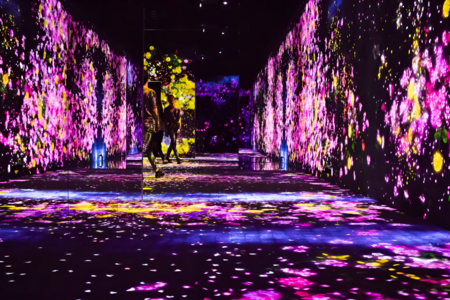
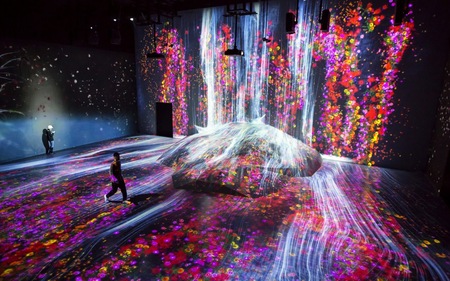
Museum of Digital Art in Tokyo
One of the key characteristics of digital art is its interactivity and the ability for the viewer to engage with the work. Digital installations, virtual art projects, and interactive exhibitions allow viewers to become part of the piece and interact with it, creating a unique experience of exploration and perception.
Thus, digital art represents a dynamic and innovative field of creativity, merging traditional artistic methods with modern technologies to open new horizons for artists and viewers in the digital age.
Chapter 2. The History of Digital Art Development
The history of digital art traces its roots to the latter half of the 20th century, when computers became accessible to artists and designers as creative tools. Initially, digital art was associated with the creation of computer graphics and animation, but over time, it has become more diverse and experimental.
In the 1960s and 70s, the first programs for computer graphics emerged, enabling artists and designers to experiment with form, color, and texture in digital space. During the 1980s and 90s, with the development of graphic software and 3D modeling, digital art became more widespread and gained new creative possibilities.
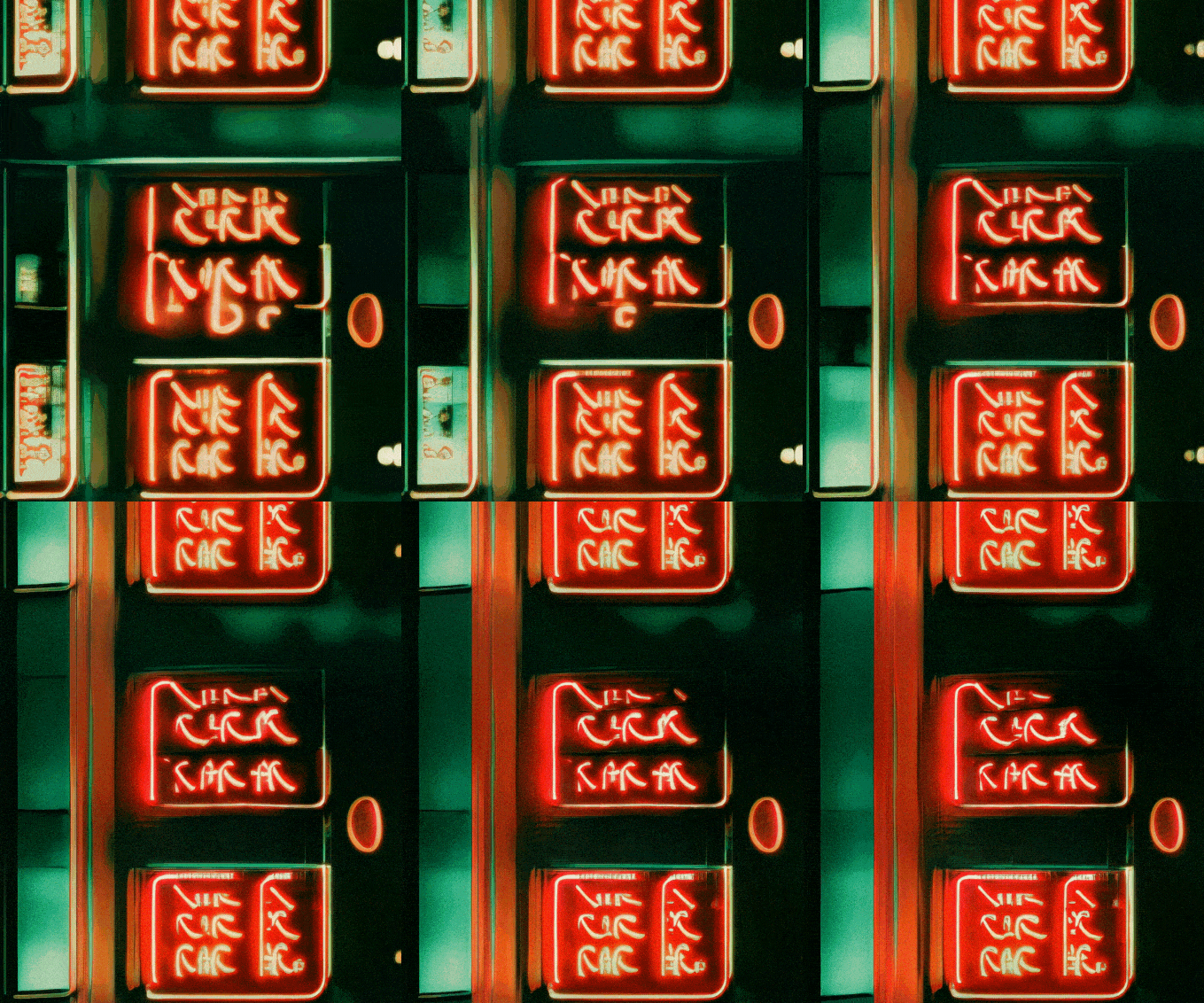
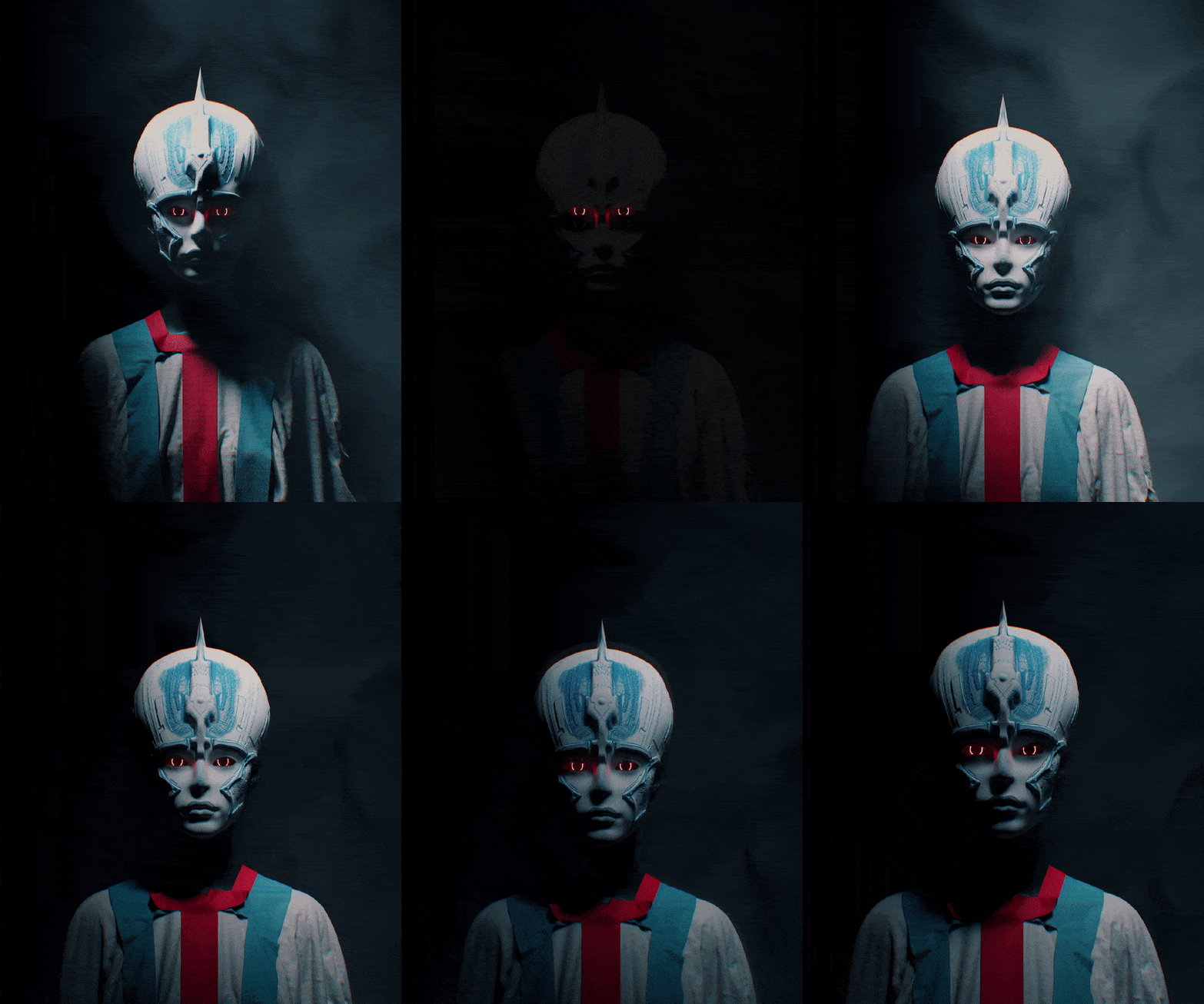
Beyond the Screen, HOFA gallery
With the rise of the internet and digital media in the late 20th century, digital art became more accessible and interactive. Artists began creating digital installations, interactive works, and multimedia exhibitions that allowed viewers to engage with the pieces and become part of them.
In the contemporary world, digital art continues to evolve and innovate, reflecting modern technologies and cultural trends. Virtual reality, artificial intelligence, and the Internet of Things—all of these open new horizons for artists and creative individuals, allowing them to experiment with form, space, and interaction in the digital realm.
In conclusion, the history of digital art demonstrates its continuous progress and diversity, reflecting the influence of technology on the creative process and opening new possibilities for artists and viewers in the digital age.
Chapter 3. Core Directions and Genres of Digital Art
The primary directions and genres of digital art encompass diverse forms of creative expression generated using information technologies. Within digital art, several key genres can be identified, each reflecting unique aspects and possibilities of this artistic medium.
Digital Painting
Alessandro Pautasso «Girl. Abstraction»
Digital painting is one of the most widespread genres of digital art. Artists use graphics tablets and specialized software to create digital works that can replicate traditional drawing techniques, but in an electronic format.
Photograph
«Circle of Light,» Andreas Ettl.
Digital photography represents another vital direction within digital art. Photographers use digital cameras and specialized image processing software to create unique photographs employing various effects and techniques.
3D Modeling
3D Modeling. Panther
3D modeling allows artists to create volumetric and realistic models using specialized software. This genre of digital art is widely utilized in the film industry, game development, and architectural design.
Animation and Motion Design